Eating Dalian Seafood From Bohai Sea Markets to Table
Dalian's cold-water Bohai seafood, shaped by Russian and Japanese culinary influence, demands a seasonal market strategy and an ordering plan.

Why Dalian Seafood is Not Qingdao Seafood
All northern Chinese seafood is not the same. Dalian sits on the cold Bohai Sea. That cold water produces slower-growing, firmer-fleshed shellfish and spiny sea cucumbers that southern ports like Qingdao or Xiamen cannot replicate. What makes Dalian truly different is the kitchen that processes this catch. Colonists from Russia built this port from 1898, leaving behind borscht traditions and cream-heavy sauces that still appear on seafood menus. Japanese occupation added sashimi-grade precision to raw preparations. The result is a seafood city where you can eat sea urchin three ways in one restaurant: steamed with egg, raw as sashimi, and stir-fried with a sour cream reduction.
The Two Markets You Need
Dalian has two major seafood markets, and they serve different purposes. Heishijiao Seafood Market, also called Dalian Seafood Market, sits at No. 1 Heishijiao Street, Shahekou District. Open 06:00, 18:00 daily. This is where you buy live catch and carry it to a nearby restaurant for preparation. The market feeds the surrounding tank restaurants where you pay a processing charge of RMB 15, 30 per jin (500 grams) depending on complexity. Changxing Seafood Wholesale Market in Xigang District opens at 04:00 and runs until 16:00, but the wholesale peak is 04:00, 07:00. Skip Changxing unless you are buying 10+ jin. For a single meal, Heishijiao is the right destination.
The failure case: Heishijiao closes at 18:00. Arrive at 17:50 and you will find stalls packing up with limited selection left. Go between 10:00 and 14:00. That window gives you the best balance of stock and negotiating time.
Market-to-Table Workflow
Buy your live seafood from a vendor, then carry it to any tank restaurant displaying a processing-fee sign. Price is calculated by weight. Point at the live specimen in the tank. Show a photo of your preferred preparation method on your phone. The processing charge is added to the ingredient cost. Do not hand over your seafood before confirming the per-jin fee. If the restaurant quotes no processing fee, the ingredient price on your bill will be marked up to compensate.
The Seasonal Calendar for Signature Species
Order out of season and you get frozen stock or poor roe content. Here is what arrives fresh and when.
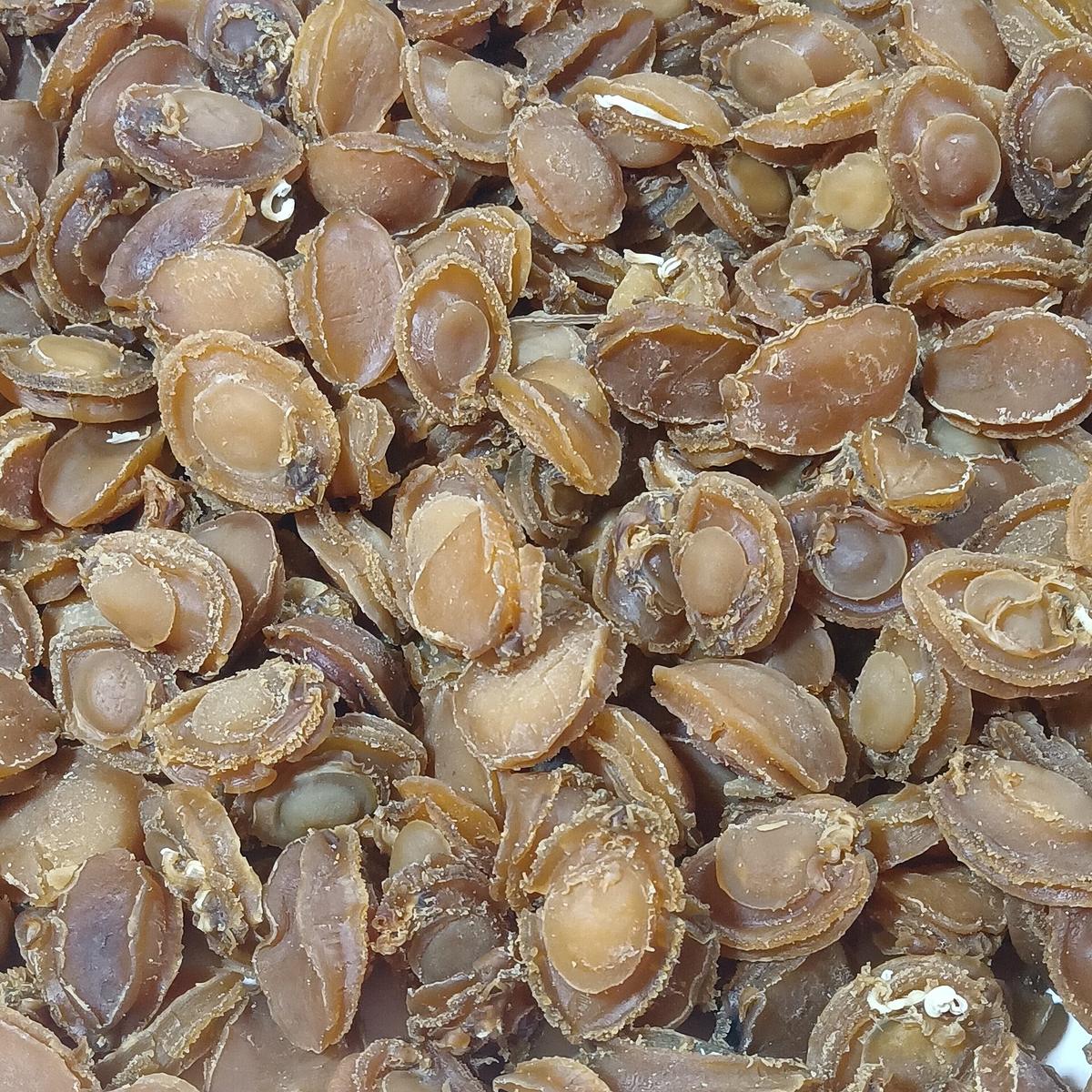
Sea cucumber (Apostichopus japonicus, the spiky Bohai species) peaks April, June and October, December. The 2024 restaurant price range was RMB 80, 300 per jin, varying by size and grade. Abalone hits July, September, priced RMB 120, 500 per jin using the head-count classification: 3-head means 3 per jin, smaller number means larger individual. Sea urchin runs June, August. Prawn (Chinese white shrimp) peaks April, June and again September, October at RMB 60, 180 per jin. Scallop season is May, August, priced RMB 25, 50 per jin.
Oysters are cold-water specialists: November, March, only RMB 15, 40 per jin. Geoduck clam is available year-round but peaks October, April. Mantis shrimp, crucial for the roe, peaks April, June at RMB 40, 100 per jin. Conch runs May, August.
The violation: ordering sea urchin in March. You will get imported product at a premium, or local product with negligible roe. Stick to the calendar.
Chinese Mitten Crab Season
Dalian river crab runs September, November. These are the same species as Shanghai's hairy crab, but Bohai water produces noticeably sweeter meat. Order them steamed whole. Expect to work for the meat.
How to Order Without Chinese
English is near zero outside high-end hotel restaurants. Your tools: a translation app, pointing, and a photo library of cooking methods. Before you go, save photos of five preparations: steamed (清蒸), boiled (白灼), stir-fried (炒), grilled (烤), and sashimi (刺身). At a tank restaurant, point at the live specimen, then show the cooking photo. The vendor will write a price on a calculator or show a whiteboard. Nod or shake your head.
For street barbecue around Zhongshan Square and the side lanes of Russian Style Street, the process is simpler. These stalls operate 17:00, 02:00 from May to October. Skewers sell for RMB 3, 15 each. A grilled whole squid runs RMB 10, 25. Grilled scallop in the half shell costs RMB 5, 10 each. Point at the skewer you want. Hold up fingers for quantity. Pay cash. WeChat Pay and Alipay dominate, but street vendors accept cash for small amounts. For a completely different northeast feast, Shenyang’s Manchu hotpot and cumin lamb skewers await just a short train ride inland.
The Hybrid Dishes That Define Dalian
Three dishes belong on every seafood traveller's list, and you cannot eat them the same way in Qingdao or Xiamen. First, seafood dumplings stuffed with sea cucumber and pork: a flour technique from the Russian era married to a local filling. Second, borscht made with abalone stock instead of beef, served in restaurants on Russian Style Street (built 1898, 1904) where the red-brick and stone Neoclassical buildings house the most atmospheric seafood dining. The Former Dalian City Hall building from 1900 now operates a hotel with a seafood restaurant inside the original structure. Third, sashimi of Bohai flounder and squid, cut thin and served with soy and wasabi, not the heavy sauces that accompany raw seafood in southern China.
The best concentration of restaurant buildings from the Russian era is on Russian Style Street (Eluosi Fengqing Jie) in Xigang District. The former Dalian Railway Administration building area also holds multiple seafood venues. Walk these blocks between 11:00 and 14:00 for lunch. Book dinner before 18:30. These restaurants peak with local tour groups by 19:00.

Street Barbecue: When the Market is Closed
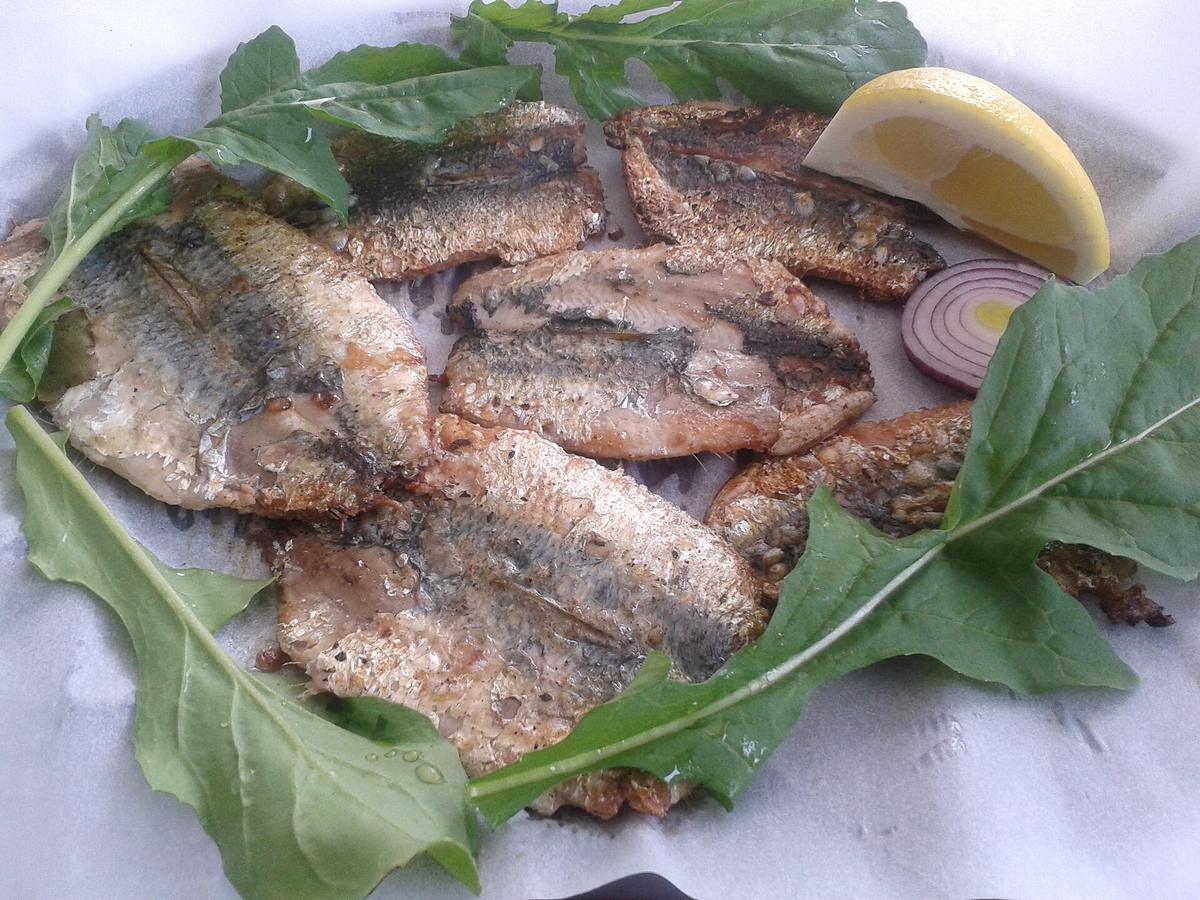
It is 22:00 and the market is shuttered. Street barbecue is your option. The secondary lanes off Zhongshan Square and Russian Style Street run 17:00, 02:00 during May, October. From November to April, hours shrink and fewer stalls operate. The standard items: grilled squid (RMB 10, 25 whole), scallop half-shells (RMB 5, 10 each), shrimp skewers (RMB 8, 15), and fish fillets (RMB 10, 15). Vendors do not speak English. Point, pay cash, receive skewers wrapped in paper. The failure case: assuming the skewer price is per item, not per stick. A skewer with three shrimp costs the same as one with a single shrimp. Confirm by holding up the number you want after they show the price.
Read next
-

 Provincial China Beyond Beijing Shanghai Guangzhou and Xi’an
Provincial China rewards slow travellers with compressed continents of culture, cuisine, and landscape far beyond the standard megacity circuit.
Provincial China Beyond Beijing Shanghai Guangzhou and Xi’an
Provincial China rewards slow travellers with compressed continents of culture, cuisine, and landscape far beyond the standard megacity circuit.
-
 Planning a Slow Travel Route Through Yunnan’s Lesser-Visited Villages
Plan a slower Yunnan journey through Dali, Shaxi, and Nuodeng, with realistic transport allowances, guesthouse advice, and respectful village visits.
Planning a Slow Travel Route Through Yunnan’s Lesser-Visited Villages
Plan a slower Yunnan journey through Dali, Shaxi, and Nuodeng, with realistic transport allowances, guesthouse advice, and respectful village visits.
-
 From Guiyang to Congjiang — A Week in Guizhou by Bus and on Foot
Independent travel from Guiyang to Congjiang in Guizhou: buses, minibuses, journey times, seasonal road conditions, and village guesthouses explained.
From Guiyang to Congjiang — A Week in Guizhou by Bus and on Foot
Independent travel from Guiyang to Congjiang in Guizhou: buses, minibuses, journey times, seasonal road conditions, and village guesthouses explained.