Jinghong and Xishuangbanna Where Yunnan Turns Southeast Asian
Xishuangbanna is Yunnan's tropical flipside—Dai Buddhist temples, lemongrass-grilled fish, sticky heat, and a road south that leads straight into Laos.
- Flag
-

- ISO code
- CN
- Population
- 205,523
- Currency
- CNY
- Timezone
- Asia/Shanghai
Sweat Beading on Your Forehead Before 9 AM
You step off the train at Xishuangbanna Station and the air hits you like a wet blanket. The palm trees outside the concourse do not sway; they droop in the heavy heat. This is Yunnan, but you would not know it. Eight hours north, people are zipping puffy jackets against a Shangri La wind. Here, you peel off your second layer before you reach the taxi rank. Xishuangbanna is the anti Shangri La, same province, opposite universe, and the sooner you accept that the sooner you can actually enjoy it.
The Dai minority call this place home, and they have been here since long before the Han tourism machine discovered it. The temples do not look like the ones in Lijiang or Dali. They rise in gold tipped stupas and curved eaves that sweep toward the sky like the wats of Luang Prabang. The food smells of lemongrass and galangal, not cumin and chilli oil. The Mekong River, called the Lancang here, slides past Jinghong thick and brown. You are in the northern edge of Southeast Asia, and the whole place operates on that logic. Plan your trip around that reality, not around a domestic checklist.


Jinghong as a Base for Slow Wandering
Morning Markets And Temple Lanes
Jinghong sits at 552 metres above sea level, which means no altitude headaches and no thin air. It also means a sticky, clingy heat from April through October, with average highs pushing 33°C before the monsoon breaks. Do not fight it. Build your days around it.
Wake early. The Dai morning market along the Lancang River kicks off before 7 AM, and by 9 AM the best stuff is gone. Pick up grilled river fish wrapped in banana leaves, sticky rice in bamboo tubes, and tamarind candies that cut through the humidity. Eat standing up. Walk the lanes around Zongfo Si, the major Dai Buddhist temple in the city centre, before the tour buses unload. The gold leaf on the central pagoda catches the low light, and the monks in saffron robes move through the courtyard with a deliberate calm that no guidebook can manufacture.
Surviving The Midday Heat
Spend the hottest hours, roughly noon to 4 PM, indoors or in the shade. The Xishuangbanna Tropical Botanical Garden, 60 kilometres east in Menglun, is worth the trip, but do not arrive at midday. Take the early bus from Jinghong, arrive by 9 AM, and walk the 1,125 hectare grounds of the Chinese Academy of Sciences property before the sun turns brutal. The collection of palms alone runs into the hundreds of species. Plan three hours minimum, four if you walk the far sections.
Riverside Evenings
Evenings in Jinghong are for the riverside. Skip the neon lit restaurants on the main strip. Walk instead to the Dai style food stalls near the Manting Park entrance. Order the lemongrass grilled fish and eat it with your hands. Let the sweat run. This is not a city for fine dining. It is a city for eating well on a plastic stool while a Mekong breeze, if you are lucky, stirs the air.
The Dai Calendar and the Water Splashing Festival
Surviving The Festival
April 13 to 15 marks the Dai New Year, known across Southeast Asia as the Water Splashing Festival. If you come during that window, accept that you will get wet. The whole city becomes a water fight. Locals ride in pickup trucks with buckets and hoses, soaking anyone within range. Tourists in dry clothes are not tourists for long. Book accommodation at least three months ahead, because domestic travellers flood Jinghong during these dates and prices triple.
Temples And Hilltop Pagodas
Outside of festival weeks, the Dai cultural sites reward a slower approach. The Manfeilong White Pagoda, 65 kilometres south of Jinghong near the Laos border, dates to 1204 by the Dai calendar. The pagoda complex sits on a hilltop, nine stupas rising from a single base, white against the tropical green. The site is quiet on weekdays. Arrive before 10 AM to have the place nearly to yourself. Bring water. There is no shade on the climb.
A Living Culture
The Dai population makes up roughly 27.9 percent of the prefecture, and their influence shapes every corner of daily life. You see it in the architecture, the food, the temple bells, the relaxed approach to time. Do not treat Dai culture as a museum exhibit. Treat it as the operating system of the place. It is still alive. It is still running.


The Laos Border and the Kunming Vientiane Railway
Crossing Overland
The Mohan Boten land port sits 180 kilometres south of Jinghong by road. This is the overland gateway into Laos for the Southeast Asia circuit. Take a shared minivan from Jinghong bus station to the border, about three hours door to door. Cross on foot, then connect to Boten station on the Lao side for trains south. The Kunming Vientiane railway went into full operation on April 13, 2023, covering 1,035 kilometres total. The domestic section runs 613 kilometres to the border, and the Laos section runs 422 kilometres into Vientiane. The journey from Xishuangbanna Station to Vientiane takes roughly 4 to 5 hours. That is faster and more comfortable than the bus route ever was.
Visas And Timings
For citizens of the People's Republic, visa free travel across this border was effective from 2024, with a 30 day mutual exemption. Foreign passport holders should check their own visa requirements against the latest Lao and regulations before relying on this crossing. The border post is efficient by domestic standards, but slow by global ones. Budget two hours for the crossing on a normal day, longer during national holidays.
Common Questions
How many days do I need for Xishuangbanna?
Three to four days is enough for Jinghong itself and the botanical garden. Add two more if you plan to go deep into the tea mountains around Jingmai or cross into Laos. Do not try to tack it onto a one week Yunnan swing. You will waste the trip on transit.
When is the best time to visit Xishuangbanna?
November to April is the dry season. The heat is milder, the skies clearer, and the roads open. October also works for golden light and low humidity. Avoid July and August unless you enjoy landslides and daily monsoon downpours.
How do I get from Kunming to Xishuangbanna?
Take the high speed train from Kunming to Xishuangbanna Station in Jinghong. The journey runs 3 hours 15 minutes to 4 hours. Book tickets at least a week ahead during holidays. The train is faster and more reliable than flying once you account for airport transfers and security lines.
What should I eat in Xishuangbanna?
Dai style lemongrass grilled fish wrapped in banana leaves, sticky rice in bamboo, and pu'er tea hot pot chicken. Skip the generic tourist restaurants on the main roads. Eat at the riverside stalls near Manting Park or the morning market.
Can I cross into Laos from Xishuangbanna?
Yes. Use the Mohan Boten land port, 180 kilometres south of Jinghong. Cross on foot, then take the train from Boten station into Laos. The Kunming Vientiane railway runs through this border, making the connection straightforward. Check your visa situation before you go.
Is Xishuangbanna expensive?
Accommodation and food are cheaper than Dali or Lijiang outside of festival weeks. Expect guesthouse doubles for 150 to 300 RMB and street meals for 15 to 30 RMB. Prices triple during Chinese National Day, Labour Day, and the Water Splashing Festival.
Do I need a VPN for my phone in Xishuangbanna?
Yes. Google, WhatsApp, Instagram, and Gmail are blocked across the country. Install and test a VPN before you arrive. Also buy a local SIM card with a data plan for Didi, maps, and translation. Foreign cards fail on most local apps.
Read next
-
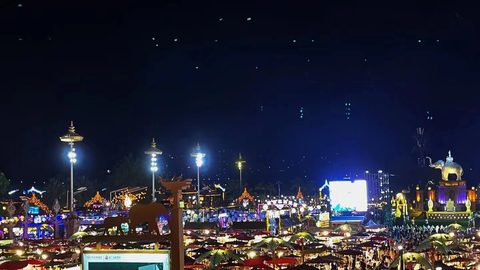 Jinghong After Dark The Mekong Night Markets and Dai Temple Mornings
Jinghong's rhythm runs from the grilled aromas of the Gaozhuang night market on the Mekong to the chanted prayers inside the red-and-gold Zongfosi temple at dawn.
Jinghong After Dark The Mekong Night Markets and Dai Temple Mornings
Jinghong's rhythm runs from the grilled aromas of the Gaozhuang night market on the Mekong to the chanted prayers inside the red-and-gold Zongfosi temple at dawn.
-
 Provincial China Beyond Beijing Shanghai Guangzhou and Xi’an
Provincial China rewards slow travellers with compressed continents of culture, cuisine, and landscape far beyond the standard megacity circuit.
Provincial China Beyond Beijing Shanghai Guangzhou and Xi’an
Provincial China rewards slow travellers with compressed continents of culture, cuisine, and landscape far beyond the standard megacity circuit.
-
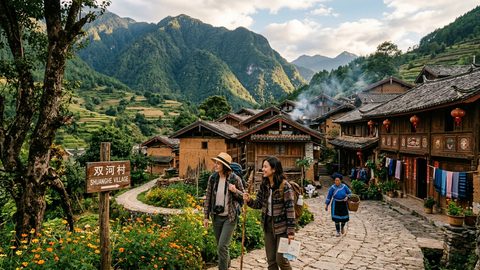 Planning a Slow Travel Route Through Yunnan’s Lesser-Visited Villages
Plan a slower Yunnan journey through Dali, Shaxi, and Nuodeng, with realistic transport allowances, guesthouse advice, and respectful village visits.
Planning a Slow Travel Route Through Yunnan’s Lesser-Visited Villages
Plan a slower Yunnan journey through Dali, Shaxi, and Nuodeng, with realistic transport allowances, guesthouse advice, and respectful village visits.
-
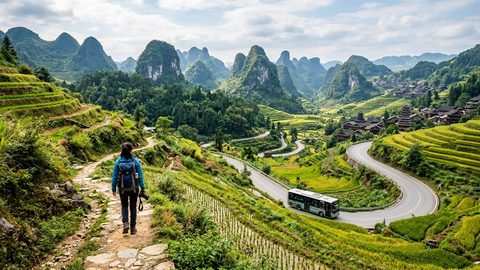 From Guiyang to Congjiang — A Week in Guizhou by Bus and on Foot
Independent travel from Guiyang to Congjiang in Guizhou: buses, minibuses, journey times, seasonal road conditions, and village guesthouses explained.
From Guiyang to Congjiang — A Week in Guizhou by Bus and on Foot
Independent travel from Guiyang to Congjiang in Guizhou: buses, minibuses, journey times, seasonal road conditions, and village guesthouses explained.