Harbin: Ice, Russian History, and Deep Winter Cold
Harbin in winter means the world's largest ice festival, Russian-era architecture along Zhongyang Dajie, and temperatures that drop to minus thirty—here is how to embrace the cold.
- Flag
-

- ISO code
- CN
- Population
- 5,242,897
- Currency
- CNY
- Timezone
- Asia/Shanghai
Harbin: Ice, Russian History, and Deep Winter Cold
You have heard the cold is the problem. The real problem is that you have been told to tolerate Harbin's winter rather than chase it. That is backward. The cold here is the entire point. It turns the Songhua River into a 40 centimetre thick block yard. It is why the city floods its own frozen surface with 100,000 cubic metres of ice blocks sculpted into castles, cathedrals and dragons. And it is the reason you will pay 330 yuan to stand inside a neon lit fortress at minus 28 degrees while your phone battery dies in 20 minutes. You do not survive Harbin's winter. You use it.
Harbin in January and February is a physics experiment you can walk through. Nighttime temperatures during the Ice and Snow Festival drop to between minus 25 and minus 30 degrees Celsius. The Songhua River, which bisects the city, freezes solid from late November through late March. By January the ice reaches one metre thick. Trucks drive on it. Locals cut blocks from it with chain saws. Those blocks become the Ice and Snow World in the Sun Island district. The 2025 2026 season admission was 330 yuan for a standard adult ticket. That gets you into a theme park where everything from the walls to the slides to the beer cups is frozen river water lit from inside by LEDs.
Timing Your Visit To Ice And Snow World
Arrive at 15:30. The park opens its gates and you want to see the ice turn from grey to translucent to blue as the light dies. By 17:00 the temperature drops hard and the glow takes over. You will not last longer than two hours before your toes send a clear signal. That is normal. Plan for it.
Zhaolin Park And Sun Island
The Ice Lantern Fair at Zhaolin Park is older and smaller than Ice and Snow World, and in many ways more satisfying. The 2025 2026 ticket was 200 yuan. The park has been staging this since 1963. The ice blocks are smaller, the colours are more traditional, and the crowds are thinner. Go there first on your first night. It calibrates you for the scale of the main event. Save Sun Island Snow Sculpture Art Expo for the daytime. Adult admission for the 2025 2026 season was 260 yuan. Snow does not take colour the way ice does, but the carving here is finer. You will see sculptors using chisels and hairdryers to finish details on life sized horses and pagodas. Go in the morning, 09:00, when the light is flat and the snow is still clean from overnight grooming.

The Russian City Beneath the Ice
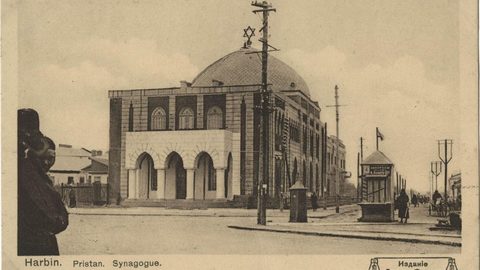
Harbin was not built by Chinese planners. It was built by the Russian Empire. Between 1897 and 1903 the Chinese Eastern Railway was laid across Manchuria. In 1898 the junction point was declared a city. Within thirty years Harbin was home to roughly 100,000 Russian emigres, plus 20,000 Jewish refugees fleeing pogroms and revolution. They did not just pass through. They built a European city on a swampy floodplain of the Songhua. They left boulevards, churches, bakeries and a downtown that reads like an architectural textbook of the early twentieth century.
Walking Zhongyang Dajie
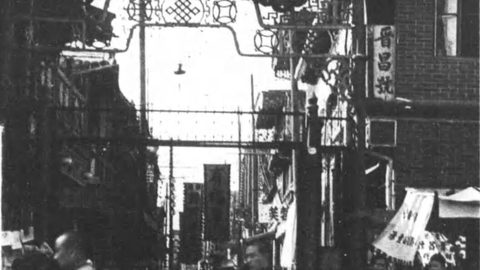
Central Street, Zhongyang Dajie, is a 1,450 metre pedestrian corridor paved in cobblestones. Every building on it belongs to a different European style. Baroque flourishes sit next to Byzantine domes. Art Nouveau curves bump against Renaissance symmetry. There is a building that was a Jewish bank, now a souvenir mall. There is a former Japanese consulate, now a hotel. The street is touristy in the way any living city centre is touristy. But the architecture is not a theme park. It is the physical record of a city that once had the largest Russian population outside Russia itself. Walk the full length from Flood Monument to the Stalinist era Friendship Palace. That walk takes about 45 minutes if you keep moving. You will not keep moving. Stop at the sausage vendors, the ice cream stands selling sticks of frozen milk on minus 30 degree days, the bakeries doing pirozhki from wood fired ovens.
Saint Sophia Cathedral
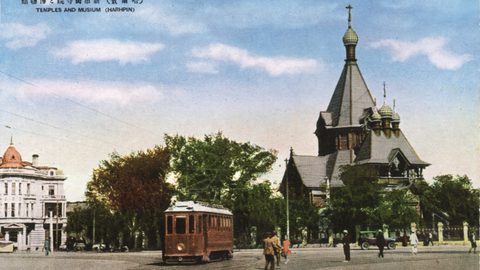
Saint Sophia Cathedral is the city's visual anchor. The original wooden church went up in 1907. The brick rebuild finished in 1932 stands 53.35 metres tall. On the outside it is textbook Russian Revival: green onion dome, red brick walls, cross at the peak. Inside it is now a museum of Harbin's railway and migration history. The exhibition is dry but the space itself is the point. Walk the perimeter, look up at the dome, then leave. Do not pay for the interior unless you want the museum. The exterior in winter is more dramatic than any exhibit. Snow collects on the dome, the brick glows in low sun, and the steam from your breath rises into the same cold air that the Russian architects breathed when they finished the building in 1932.
How to Survive Minus Thirty and Enjoy it
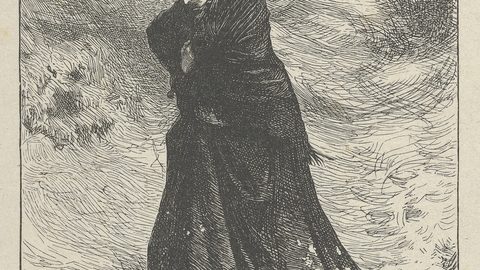
You need three layers on top. Not two. A thermal base layer that wicks sweat. A mid layer of fleece or merino wool. An outer shell that stops wind. The wind in Harbin cuts through down jackets that are not rated for it. Your jacket must have a hood. Your boots must be rated to minus 30 degrees with removable liners. Do not wear cotton socks. Do not wear jeans. Do not wear sneakers. The ground is ice for four months straight. Locals walk on it with rubber soled boots studded with tungsten spikes. You can buy those spikes at any shoe repair stall on Zhongyang Dajie for 20 yuan. Buy them on arrival. They cost nothing and they stop you falling on your back before breakfast.
Keeping Your Electronics Alive
Your phone will die. Lithium ion batteries lose charge in the cold. Down to 50 percent in an hour, then dead in two. Keep your phone in an inner pocket against your body. Use a wired headset for calls so you do not have to pull the phone out. Carry a power bank. The power bank must also stay warm. Put it in the same inner pocket. If you are taking photos, bring a dedicated camera with a bigger battery and keep the camera inside your jacket between shots. A DSLR or mirrorless body lasts longer than a phone, but the screen will still lag and the shutter will slow. That is not a malfunction. It is the temperature.
Eating For The Cold
Locals do not fight the cold. They build their life around it. They eat hot pot at lunch and dinner. They drink a sweet, fermented rice wine called wangyoujiu that warms from the stomach outward. They steam dumplings in massive quantities and eat them straight from the bamboo basket. The cold makes these foods taste different. The contrast between a minus 30 degree outdoor walk and a boiling bowl of lamb and cabbage hot pot is the closest thing to a sensory thrill that a city can manufacture. You want the hot pot. You want the dumplings. You want the grilled skewers sold from street carts that you eat while stamping your feet to keep circulation moving. The cold is not the enemy of the food. It is the flavour enhancer.


The Hard Stuff: Unit 731 and the Shape of the City
Harbin has a summer, and it is a pleasant one. Average July high is 28 degrees. Average July low is 18 degrees. The city empties of ice tourists and fills with Chinese domestic travellers who come to escape the heat of the south. The Russian quarter is green. The parks are full. The Songhua River has ferry boats. But you are reading this for winter. So know this: Harbin is also the city where Unit 731 was stationed.
The Unit 731 Museum
The Unit 731 Criminal Evidence Museum is in Pingfang District, about a 40 minute drive from the city centre. Admission is free. You need your passport to enter. It is closed on Mondays. The facility operated from 1936 to 1945 as a biological and chemical warfare research program of the Imperial Japanese Army. Thousands of Chinese, Korean, Russian and Allied prisoners died in experiments that included live vivisection, frostbite testing and plague dispersal. Every winter tourist faces a choice. The museum is not a pleasant addition to a festival trip. Skip it if you are here only for ice and dumplings. But if you want to understand why Harbin feels different from other Chinese cities, why it has a Russian cathedral and a Jewish cemetery and a street that could be St. Petersburg, then you also need to understand that the railway that built it was also the railway that brought the Japanese occupation. The city is not just a winter wonderland. It is a place where the 20th century landed hard. The museum is the only honest way to reckon with that.
Getting There And Getting Around
Getting to Harbin is straightforward. Harbin Taiping International Airport, code HRB, is two hours from Beijing by air or three hours 15 minutes from Shanghai. High speed rail from Beijing takes about five hours 30 minutes. From Shanghai it is 12 hours. Book the train if you can. The ride crosses the Northeast Plain, frozen flat and white in winter, and the arrival into Harbin station gives you a view of the old Russian district before the taxi even starts moving. The subway connects the station to the main tourist zone. Use Didi for taxis. Cash is not accepted in most taxis. WeChat Pay or Alipay is the system. A Chinese SIM card is non negotiable. Google Maps does not work properly in China without a VPN installed before arrival. Install one. Test it. Then treat the cold as the asset it is. Book the train. Pack the layers. Arrive by 15:30.
What to See in Harbin
More on Harbin
-
 What to Wear in Harbin at Minus Thirty and What Breaks in the Deep Cold
Harbin at minus thirty demands a specific layering system, boots with toe room, and plans for phone battery death and camera lens fogging.
What to Wear in Harbin at Minus Thirty and What Breaks in the Deep Cold
Harbin at minus thirty demands a specific layering system, boots with toe room, and plans for phone battery death and camera lens fogging.
-
 Harbin Russian Past Central Street Saint Sophia and the Railway Legacy
Harbin's Russian-built Central Street and Saint Sophia Cathedral are the surviving architecture of a city born from the Chinese Eastern Railway.
Harbin Russian Past Central Street Saint Sophia and the Railway Legacy
Harbin's Russian-built Central Street and Saint Sophia Cathedral are the surviving architecture of a city born from the Chinese Eastern Railway.
Common Questions
Are the Ice and Snow Festival dates the same every year?
No. The festival runs from late December to late February, but the core period is 5 January to 25 February. The exact start adjusts with the lunar calendar. Check the official Harbin tourism bureau website in October for the confirmed dates of the upcoming season.
Is it worth visiting Ice and Snow World more than once in a trip?
No. One visit is enough. Two hours to three hours inside is the maximum time you will want to spend before the cold forces you out. Do the evening visit once and move on to Sun Island during the day.
How much does a taxi from the airport to the city centre cost?
Use the official taxi queue outside the arrivals hall. Do not accept offers from drivers inside the terminal. The fare to central Harbin is metered; confirm the driver uses the meter before you get in.
Can I pay for admission tickets with a foreign credit card?
Almost never. The official ticket counters at Ice and Snow World and other venues accept WeChat Pay and Alipay. Foreign credit cards are not accepted at the gate. Load money into a Chinese payment app using a tourist friendly service like Alipay Tour Pass before you arrive, or carry enough cash to buy tickets at the venue.
What is the best way to get from Ice and Snow World back to the city centre?
Take the dedicated festival shuttle bus that runs from the park exit to Zhongyang Dajie during operating hours. It costs 5 yuan and runs every 15 minutes. Taxis are scarce at closing time and surge to triple the normal rate.
Is Zhaolin Park worth visiting if I already have tickets to Ice and Snow World?
Yes. Zhaolin Park Ice Lantern Fair is smaller, cheaper at 200 yuan in the 2025 2026 season, and less crowded. It offers a more intimate experience with traditional carved lanterns. Go there on your first night and save Ice and Snow World for the second.
Can I walk across the Songhua River in winter?
Yes. The ice reaches one metre thick by January. Locals cross on foot everywhere between the bridges. Stamped paths are marked by vendors selling hot drinks and grilled sausage. Do not stray outside the marked area. Stay on the paths and cross during daylight hours.
Read next
-
 Harbin Where to Stay for the Ice Festival and Winter Cold
Where to stay in Harbin during winter comes down to heating reliability, distance from the ice sites, and whether you want walkable Zhongyang Street or quick access to Ice and Snow World in Songbei.
Harbin Where to Stay for the Ice Festival and Winter Cold
Where to stay in Harbin during winter comes down to heating reliability, distance from the ice sites, and whether you want walkable Zhongyang Street or quick access to Ice and Snow World in Songbei.
-
 Harbin Things to Do Beyond the Ice and Snow World
Harbin things to do in winter centre on the Ice and Snow World, Sun Island snow sculptures, Zhaolin Park lanterns, and Russian architecture along Zhongyang Street, each demanding a strategy for the cold.
Harbin Things to Do Beyond the Ice and Snow World
Harbin things to do in winter centre on the Ice and Snow World, Sun Island snow sculptures, Zhaolin Park lanterns, and Russian architecture along Zhongyang Street, each demanding a strategy for the cold.
-
 Harbin Best Time to Visit for Ice Festivals Without the Crush
The best time to visit Harbin is late December through late February for the ice festival, but avoid Chinese New Year week for crushing crowds and July through August for oppressive heat with no winter spectacle.
Harbin Best Time to Visit for Ice Festivals Without the Crush
The best time to visit Harbin is late December through late February for the ice festival, but avoid Chinese New Year week for crushing crowds and July through August for oppressive heat with no winter spectacle.
-
 Harbin Getting Around in Winter Without a Chinese Bank Card
Getting around Harbin in winter means relying on the heated metro, preparing for taxi meter refusals after dark, and knowing that Didi wait times can stretch past 30 minutes at minus-25°C.
Harbin Getting Around in Winter Without a Chinese Bank Card
Getting around Harbin in winter means relying on the heated metro, preparing for taxi meter refusals after dark, and knowing that Didi wait times can stretch past 30 minutes at minus-25°C.
-
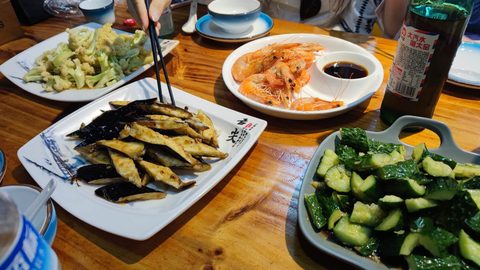 Harbin Food Worth Freezing For From Guo Bao Rou to Madier Ice Cream
Harbin food spans Russian-influenced smoked sausage and sourdough rye to Dongbei guo bao rou and the local ritual of eating Madier ice cream outdoors on Zhongyang Street at minus-20°C.
Harbin Food Worth Freezing For From Guo Bao Rou to Madier Ice Cream
Harbin food spans Russian-influenced smoked sausage and sourdough rye to Dongbei guo bao rou and the local ritual of eating Madier ice cream outdoors on Zhongyang Street at minus-20°C.
-
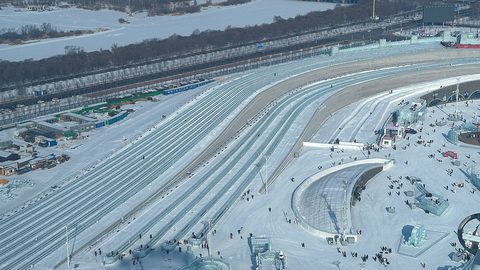 The Harbin Ice and Snow Festival
 spans three paid sites—Ice World, Sun Island, and Zhaolin Park—each with separate tickets, peak hours, and cold-weather demands.
The Harbin Ice and Snow Festival
The Harbin Ice and Snow Festival spans three paid sites—Ice World, Sun Island, and Zhaolin Park—each with separate tickets, peak hours, and cold-weather demands.
-
 Provincial China Beyond Beijing Shanghai Guangzhou and Xi’an
Provincial China rewards slow travellers with compressed continents of culture, cuisine, and landscape far beyond the standard megacity circuit.
Provincial China Beyond Beijing Shanghai Guangzhou and Xi’an
Provincial China rewards slow travellers with compressed continents of culture, cuisine, and landscape far beyond the standard megacity circuit.
-
What to Wear in Harbin at Minus Thirty and What Breaks in the Deep Cold
Harbin at minus thirty demands a specific layering system, boots with toe room, and plans for phone battery death and camera lens fogging.
-
Harbin Russian Past Central Street Saint Sophia and the Railway Legacy
Harbin's Russian-built Central Street and Saint Sophia Cathedral are the surviving architecture of a city born from the Chinese Eastern Railway.