Yunnan Is a Continent Compressed Into One Province. Here’s How to Make Sense of It.
Yunnan demands at least 10 days and a ruthless edit of your wishlist. This guide explains how to route a trip through China's most varied province without burning your holiday on mountain switchbacks.
- Flag
-

- ISO code
- CN
- Currency
- CNY
Yunnan Route Planning Demands Ruthless Editing, Not a Bigger Itinerary
You cannot cram Yunnan into a week. The standard tourist loop is a trap: four old towns seen through a bus window, zero time at altitude, and the nagging sense that you paid for transit instead of experience. The answer is not better scheduling. It is ruthless editing.
Yunnan covers 394,000 square kilometres, spans an elevation range from 76 metres in the Red River valley to 6,740 metres at Kawagebo peak, and contains 25 recognised ethnic minorities. The distances are brutal. A 200 kilometre journey on a map routinely takes five to six hours because of mountain switchbacks and speed limits. The province rewards slow movement and deep focus, not speed. You need at least 10 days to experience a single region properly. Any less and you burn your trip on internal transit.
Give yourself permission to skip the provincial capital, the ancient cities of Dali and Lijiang, and the Tibetan plateau town of Shangri La in one go. Instead, choose one or two zones, build a realistic route around mountain travel times, and leave with something better than photographs of souvenir stalls.

.jpeg)
- Province Size: 394,000 km²
- Population (2020 Census): 47,209,277
- Capital: Kunming
- Recognised Ethnic Minorities: 25
- Elevation Range: 76 m to 6,740 m
- UNESCO World Heritage Sites: 6
- Minimum Days For A Realistic Trip: 10
- Peak Season For Clear Skies: October
- Main Airport: Kunming Changshui (KMG)
- High Speed Rail Kunming To Dali: Approx. 2 hours
- High Speed Rail Kunming To Lijiang: Approx. 3.5 hours
- High Speed Rail Kunming To Shangri La: Approx. 4.5 hours (line opened November 2023)
- High Speed Rail Kunming To Xishuangbanna: Approx. 3 hours
- Altitude Sickness Risk Threshold: Above 3,000 m
- Rainy Season: June to September
- Avoid Windows: Chinese National Day (1-7 October) and Labour Day (1-5 May); summer rainy season in the south
The Brutal Truth About Distances and What it Means for Your Route
Yunnan is not a province you cross in a day. The high-speed rail network connects the provincial hub to Dali, Lijiang, the Tibetan plateau gateway and the southern tropics efficiently. But the last mile into mountain villages requires shared minivans or private drivers, and those journeys move at the speed of a switchback. A bus from Lijiang to Tiger Leaping Gorge covers roughly 100 kilometres in three hours. The road from the capital to Yuanyang takes five to six hours. Payment is overwhelmingly WeChat Pay or Alipay. Foreign cards fail on most local transport apps. A local SIM card with a data plan is non-negotiable for Didi, maps and translation. Google, WhatsApp, Instagram and Gmail are blocked without a VPN. Install and test one before arrival.
Why the Classic Loop Fails
The common mistake is trying to cover the provincial capital, Dali, Lijiang and the high-altitude Tibetan town in a single week. The result is four near-identical old towns seen through a bus window and zero time at altitude to acclimatise or explore beyond the souvenir stalls. Altitude sickness hits hard in the Diqing Tibetan Autonomous Prefecture at 3,200 metres and on Jade Dragon Snow Mountain at 4,506 metres. Travellers arriving from sea level underestimate this. You need two to three days at altitude before attempting strenuous hikes or cable cars.
Choose Your Region, Then Build the Route Around it
Yunnan breaks into four distinct zones, each requiring its own itinerary. Pick one, commit to it, and ignore the rest until your next trip.
The Northwest Highlands: Dali, Lijiang, Shangri La And Tiger Leaping Gorge
This is the classic corridor, but do it in reverse or skip the middle entirely. Fly into Lijiang or Dali, not the provincial capital. Base yourself in Shuhe instead of Lijiang Dayan to avoid the UNESCO crowds. Shuhe is quieter, still commercialised, but you can walk to Baisha Village in 20 minutes for faded Ming frescoes and relaxed cafes. From Lijiang, a two-hour road trip takes you to Shaxi, the preserved horse caravan town on the old Tea Horse Road. Shaxi Sideng Square on a Friday market day is the kind of scene that justifies the whole trip: cobbled lanes, local traders, zero photo studios.
Tiger Leaping Gorge requires two days minimum. The high trail follows sheer canyon walls, the high point sits at 2,670 metres, and you need a good night of sleep before starting. Skip the day-trip option. It is a bus drop-off at the lower viewing platform with no sense of the scale. From Tiger Leaping Gorge, continue to the Tibetan plateau town for the high-altitude experience. Songzanlin Monastery, the Little Potala Palace, sits at 3,200 metres. Spend your first day walking slowly. Pudacuo National Park offers high-altitude walks around alpine lakes and meadows. Do not attempt Jade Dragon Snow Mountain from the Tibetan town in the same itinerary. The cable car queue and the 4,506-metre top station require a separate day out of Lijiang.
The South: Xishuangbanna And The Tropics
Xishuangbanna is a different country. Jinghong sits in the tropics, the Tropic of Cancer crosses southern Yunnan, and the sticky heat replaces highland chill with Dai culture and banana leaves. High-speed rail from the provincial capital takes roughly three hours. The Xishuangbanna Tropical Botanical Garden in Menglun is vast and requires a full day. Dai-style lemongrass grilled fish wrapped in banana leaves is the meal you eat twice. The rainy season from June to September brings landslides and road closures. Dry season from October to May is your window. The border zone with Laos at Mohan requires no special permit for the county town, but border zone restrictions apply beyond designated crossings.
The Southeast: Yuanyang Rice Terraces And Hani Culture
Yuanyang is winter only. The multi-coloured water mirrors appear from November to February when the terraces are flooded. Sunrise at Duoyishu viewpoint is the shot, but you need to be in position by 06:30. Reach Yuanyang Xinjie by bus from the provincial capital, then take a local van 30 minutes to the viewpoints. The terraces are a UNESCO World Heritage site, and the Hani minority villages around them are quiet outside daylight hours. Budget three full days: two for sunrise and sunset at different viewpoints, one for walking the village paths. The road conditions are poor in summer rain. Plan for November through February.
The Southwest: Tengchong, Hot Springs And Republican Era History
Tengchong sits near the Myanmar border and offers volcanic hot springs and the stone lanes of Heshun Old Town. Heshun feels lived in, not staged. The Republican-era history comes from overseas Chinese who returned and built grand courtyard houses. The drive from Dali takes four to five hours. Ruili border zone access is subject to temporary closures during heightened border security; check before you go. Tengchong works as a three-day detour for travellers who want quiet soak time and architectural texture without the old-town souvenir strip.
| Time Available | Recommended Zone | Base City | Total Transit Hours (One Way) |
|---|---|---|---|
| 10-12 days | Northwest Highlands | Lijiang | 4 |
| 10-12 days | South (Xishuangbanna) | Jinghong | 3 |
| 7-10 days | Yuanyang + Kunming | Kunming | 5 |
| 10-14 days | Dali, Shaxi, Tiger Leaping Gorge | Dali | 2 |
| 7 days | Kunming only | Kunming | 0 |


When to Go and What to Skip
October delivers clear skies and golden photography light across the province. Winter visibility in the northwest is clearest from November through February. Chinese New Year in late January or February brings domestic mass tourism and inflated prices. The first week of May and the first week of October are national holiday gridlock: attractions hit capacity, accommodation triples in price, and road travel becomes a parking lot. Avoid both windows entirely.
Rain and Regional Timing
Summer rainy season from June to September in the south brings landslides and road closures. The provincial capital receives approximately 1,000 millimetres of rain annually, Xishuangbanna around 1,400 millimetres, and the high-altitude Tibetan plateau town only 600 millimetres. The northwest highlands are driest in winter. Plan accordingly.
What to Cut From Your Itinerary
Things you should skip: Jade Dragon Snow Mountain if you arrive from sea level without at least two days in Lijiang first. The Lijiang Dayan old town maze on a Saturday afternoon. Any tour that promises the provincial capital, Dali, Lijiang and the Tibetan town in five days. The Stone Forest from the provincial capital is a 1.5-hour high-speed rail trip to karst formations, but it is a day trip, not a destination. If you only have 10 days, do not waste one on a bus to a rock field.
The Honest Caveat You Need Before You Book
Yunnan is a province built for slow travel, and slow travel is expensive in time. The multi-hour mountain transfers. The altitude acclimatisation days. The rural buses that depart when they are full. None of this fits a tight schedule. If you have seven days, do one zone. If you have ten days, do one zone plus one day trip. The reward for choosing deeply is real. The reward for trying to see it all is a bus seat, a missed sunrise and a photo of a street you cannot name.
Places in Yunnan
-
 Baoshan
 unlocks Yunnan's wild western edge: the Gaoligong mountains, Tengchong's volcanic hot springs, and the ghosts of the Burma Road. A frontier for second-time visitors.
Baoshan
Baoshan unlocks Yunnan's wild western edge: the Gaoligong mountains, Tengchong's volcanic hot springs, and the ghosts of the Burma Road. A frontier for second-time visitors.
-
 Dali
Dali hooks travellers with Erhai Lake, Cangshan Mountain, and Bai culture, then keeps them for a week. Plan a slow stay around cycling, guesthouses, and lakeside villages.
Dali
Dali hooks travellers with Erhai Lake, Cangshan Mountain, and Bai culture, then keeps them for a week. Plan a slow stay around cycling, guesthouses, and lakeside villages.
-
 Gejiu
The Yuanyang rice terraces only become the mirror-like spectacle of photographs from November to March—here is how to time the water season and hit the right viewpoints at sunrise and sunset.
Gejiu
The Yuanyang rice terraces only become the mirror-like spectacle of photographs from November to March—here is how to time the water season and hit the right viewpoints at sunrise and sunset.
-
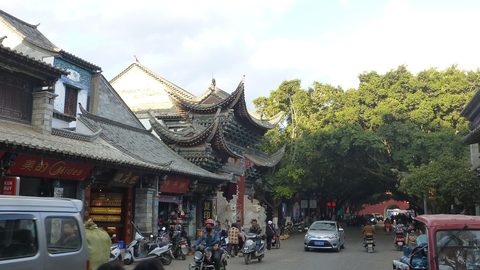 Jianshui
 has a Ming dynasty seventeen-arch bridge, one of China's largest Confucian temples, and tofu grilled on street corners—and almost every Yunnan itinerary skips it.
Jianshui
Jianshui has a Ming dynasty seventeen-arch bridge, one of China's largest Confucian temples, and tofu grilled on street corners—and almost every Yunnan itinerary skips it.
-
 Kunming
 is Yunnan's spring-city gateway. Navigate KMG airport, ride Metro Line 6 into town, see the Green Lake gulls, and launch day trips to the Stone Forest.
Kunming
Kunming is Yunnan's spring-city gateway. Navigate KMG airport, ride Metro Line 6 into town, see the Green Lake gulls, and launch day trips to the Stone Forest.
-
 Lijiang
's UNESCO-listed old town is a maze of cobblestone charm and relentless tourist commerce. Here's what remains worth your time and how to find the quieter corners.
Lijiang
Lijiang's UNESCO-listed old town is a maze of cobblestone charm and relentless tourist commerce. Here's what remains worth your time and how to find the quieter corners.
-
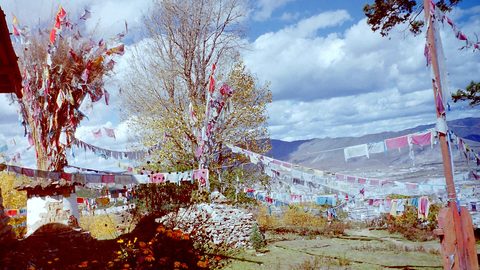 Shangri-La
 sits at 3,200 metres on the Tibetan plateau, and the altitude is the first thing you'll feel. Plan around acclimatisation, monasteries, and alpine walks.
Shangri-La
Shangri-La sits at 3,200 metres on the Tibetan plateau, and the altitude is the first thing you'll feel. Plan around acclimatisation, monasteries, and alpine walks.
-
 Yunjinghong
Xishuangbanna is Yunnan's tropical flipside—Dai Buddhist temples, lemongrass-grilled fish, sticky heat, and a road south that leads straight into Laos.
Yunjinghong
Xishuangbanna is Yunnan's tropical flipside—Dai Buddhist temples, lemongrass-grilled fish, sticky heat, and a road south that leads straight into Laos.
More on Yunnan
-
 Yunnan or Guizhou Which Province Fits Your China Travel Style
Yunnan delivers Himalayan peaks and Tibetan culture on a busy backpacker trail. Guizhou offers misty karst cones and Miao villages with fewer crowds.
Yunnan or Guizhou Which Province Fits Your China Travel Style
Yunnan delivers Himalayan peaks and Tibetan culture on a busy backpacker trail. Guizhou offers misty karst cones and Miao villages with fewer crowds.
-
 China Travel Payment Apps, VPN, SIM Card and Hotel Registration Guide
Before landing in Yunnan, sort WeChat Pay foreign card linking, a working VPN, a Chinese SIM for Didi, and understand hotel registration rules.
China Travel Payment Apps, VPN, SIM Card and Hotel Registration Guide
Before landing in Yunnan, sort WeChat Pay foreign card linking, a working VPN, a Chinese SIM for Didi, and understand hotel registration rules.
-
 Visiting Yunnan Minority Markets and Villages Without Making People an Exhibit
Visiting Yunnan's Bai, Naxi, Dai and Hani communities requires photography consent, festival awareness, and respect for ceremonies that are not tourist shows.
Visiting Yunnan Minority Markets and Villages Without Making People an Exhibit
Visiting Yunnan's Bai, Naxi, Dai and Hani communities requires photography consent, festival awareness, and respect for ceremonies that are not tourist shows.
-
 Altitude Sickness on the Lijiang to Shangri-La Route and How Travellers Get Caught
Altitude sickness on the Lijiang–Shangri-La route hits travellers who ascend too fast; staged acclimatisation and oxygen canisters are essential.
Altitude Sickness on the Lijiang to Shangri-La Route and How Travellers Get Caught
Altitude sickness on the Lijiang–Shangri-La route hits travellers who ascend too fast; staged acclimatisation and oxygen canisters are essential.
Common Questions
Can I visit Shangri La without a Tibet Travel Permit?
Yes. Shangri La is part of Diqing Tibetan Autonomous Prefecture, and foreign nationals do not require a Tibet Travel Permit to visit. The permit is only required if you cross into the Tibet Autonomous Region from Yunnan, which the standard tourist loop does not. The Yunnan side route through Deqin and Feilaisi does not cross the border.
How do I handle altitude sickness in Yunnan?
Acclimatise for two to three days before attempting hikes or cable cars above 3,000 metres. Shangri La sits at 3,200 metres, Jade Dragon Snow Mountain cable car tops at 4,506 metres, and Feilaisi viewing platform for Meili Snow Mountain is at 3,450 metres. Diamox is available from Chinese pharmacies without a prescription. Do not fly directly from sea level to Shangri La airport at 3,200 metres and attempt a hike the same day.
Is English spoken in Yunnan's rural areas?
Near zero outside high-end hotels. Pointing at photos and translation apps are mandatory. A local SIM card with a data plan is non-negotiable for real-time translation, Didi ride-hailing and map navigation. Google Maps does not work reliably; download Amap or Baidu Maps before arrival.
What is the best way to get from Kunming to Xishuangbanna?
High-speed rail from Kunming South Station to Jinghong takes approximately three hours. You can also fly from Kunming Changshui to Xishuangbanna Gasa Airport. The long-distance bus takes nine to ten hours and is not worth the time saving. Book rail tickets through the official railway app or a third-party agent if you lack a Chinese ID.
Can I use foreign credit cards in Yunnan?
Not reliably. Payment is overwhelmingly WeChat Pay or Alipay. Foreign cards fail on most local transport apps, bus booking platforms and small vendors. Bring sufficient Chinese cash for rural areas and bus stations, but know that even cash is becoming uncommon. The most practical solution is a WeChat Pay account linked to a foreign card, or a prepaid Chinese travel card.
Read next
-
 Yunnan Hotels Chains Courtyards and the Foreigner Registration Rule
Hotels in Yunnan range from international chains to courtyard guesthouses, but the foreigner registration rule determines where you can actually sleep—here is what to book.
Yunnan Hotels Chains Courtyards and the Foreigner Registration Rule
Hotels in Yunnan range from international chains to courtyard guesthouses, but the foreigner registration rule determines where you can actually sleep—here is what to book.
-
 Where to Stay in Yunnan Town by Town Base Guide
Where to stay in Yunnan, from Kunming to Shangri-La: neighbourhood-by-neighbourhood advice on old town courtyards, Erhai lake villages, and altitude-conscious bases.
Where to Stay in Yunnan Town by Town Base Guide
Where to stay in Yunnan, from Kunming to Shangri-La: neighbourhood-by-neighbourhood advice on old town courtyards, Erhai lake villages, and altitude-conscious bases.
-
 Flying Into Yunnan Kunming Lijiang Dali and Shangri-La Airports Compared
Choosing between Kunming, Lijiang, Dali, and Shangri-La airports shapes your entire Yunnan route—here's how each gateway affects transit time, altitude, and cost.
Flying Into Yunnan Kunming Lijiang Dali and Shangri-La Airports Compared
Choosing between Kunming, Lijiang, Dali, and Shangri-La airports shapes your entire Yunnan route—here's how each gateway affects transit time, altitude, and cost.
-
 What Yunnan Is For Mountains Old Towns and Minority Culture
Yunnan is for high-altitude treks, living old towns like Shaxi, minority markets, winter rice terraces at Yuanyang, and going deep on Pu'er tea at the source.
What Yunnan Is For Mountains Old Towns and Minority Culture
Yunnan is for high-altitude treks, living old towns like Shaxi, minority markets, winter rice terraces at Yuanyang, and going deep on Pu'er tea at the source.
-
 Yunnan Weather Seasons and the Best Time to Visit Without the Crowds
Yunnan spans tropical lowlands and Himalayan peaks, so the best time to visit depends entirely on which region you're targeting and whether you can stomach the October crowds.
Yunnan Weather Seasons and the Best Time to Visit Without the Crowds
Yunnan spans tropical lowlands and Himalayan peaks, so the best time to visit depends entirely on which region you're targeting and whether you can stomach the October crowds.
-
 Getting Around Yunnan Rail Bus and the Mountain Road Reality
Getting around Yunnan means high-speed rail between Kunming, Dali, and Lijiang, then long-distance buses and shared minivans into the mountains—and 200 km takes 5 hours.
Getting Around Yunnan Rail Bus and the Mountain Road Reality
Getting around Yunnan means high-speed rail between Kunming, Dali, and Lijiang, then long-distance buses and shared minivans into the mountains—and 200 km takes 5 hours.
-
Jianshui
Jianshui has a Ming dynasty seventeen-arch bridge, one of China's largest Confucian temples, and tofu grilled on street corners—and almost every Yunnan itinerary skips it.
-
Gejiu
The Yuanyang rice terraces only become the mirror-like spectacle of photographs from November to March—here is how to time the water season and hit the right viewpoints at sunrise and sunset.
-
Baoshan
Baoshan unlocks Yunnan's wild western edge: the Gaoligong mountains, Tengchong's volcanic hot springs, and the ghosts of the Burma Road. A frontier for second-time visitors.