Dali Is Where Backpackers Park Themselves for a Week and Forget to Leave
Dali hooks travellers with Erhai Lake, Cangshan Mountain, and Bai culture, then keeps them for a week. Plan a slow stay around cycling, guesthouses, and lakeside villages.
- Flag
-

- ISO code
- CN
- Population
- 235,305
- Currency
- CNY
- Timezone
- Asia/Shanghai
Dali is Where Backpackers Park Themselves for a Week and Forget to Leave
The common assumption is that Dali Old Town is a quick stop between Kunming and Lijiang. Two nights, three days, a few photos of the Three Pagodas, then back on the bus. What actually happens is different. People arrive intending to move on, rent a bicycle for an afternoon on the Erhai west shore, eat grilled Er Kuai on Renmin Road, and wake up a week later still there. Dali does not sell itself as a destination. It operates as a decelerator. The altitude sits at 1,970 metres. The UV index hits 11 by noon. The logical response to both is to sit in a courtyard guesthouse and drink tea until the light softens. You do not visit Dali. You surrender to its pace.
The old town was laid out in 1382 during the Ming dynasty and never expanded beyond its original grid of narrow lanes. No cars inside the walls.
Snow runoff from the Cangshan range feeds the streams that run alongside every street. The range runs 50 kilometres with 19 summits above 4,000 metres. The water is cold, fast, and audible. That sound, plus the absence of engine noise, is why people stop checking their phones.
Weather and What to Pack
The Cangshan range forms a geological barrier that traps cloud cover on its western slope and leaves Dali Old Town in dry, sharp light most of the year. The rainy season runs June through September. October gives you clear skies and golden morning light. Pack for 15 degrees Celsius average annual temperature and a coat that blocks wind off the lake.


How to Structure a Slow Week Around Erhai Lake and the Eastern Shore
Do not plan a day-by-day itinerary. That is the point. Book four nights in Dali Old Town, then three nights in Shuanglang or Xizhou. Arrange transport only one segment ahead.
The Erhai Lake circuit runs roughly 120 kilometres if you complete the full loop. The west shore has a dedicated cycling path about 46 kilometres long from Yangnanxi to Haichaohe. Rent a bicycle for 40 to 80 RMB per day, depending on season and whether you want electric assist. Start early. The morning wind on Erhai is light. By 11 AM it picks up and turns a flat ride into a headwind slog. The water is shallow, max depth about 21 metres, and looks turquoise against the whitewashed Bai fishing villages.
The West Bank Villages and Why You Stay There
Xizhou sits 18 kilometres north of Dali Old Town on the west shore. The Bai architecture is intact: whitewashed walls, grey-tiled roofs, decorative gatehouses, and courtyard layouts called sanfang yizhaobi. The Yan Family Compound is the best example, but do not pay the entrance fee if you are staying in a courtyard guesthouse. The guesthouse is the same building style. Walk the lanes in late afternoon when the tour groups have left. Eat rushan, fried goat milk fan with rose sugar, from a street cart. The texture is chewy and salty-sweet. It is an acquired taste. Acquire it.
Shuanglang From the Wrong Angle
Shuanglang, on the east shore about 50 kilometres north of Dali Old Town by road, is sold as the romantic lakeside escape. The reality is that most of the waterfront guesthouses were demolished in 2017 under the Erhai environmental protection order. The high-water mark protection zone extends 15 metres from the lake. Properties inside that zone were removed. Reopened guesthouses must hold a valid environmental permit, business license, fire safety certificate, and pollution discharge permit. The ones that remain are legal, expensive, and book out three weeks in advance in October. Do not go to Shuanglang for a quiet night. Go for the sunset from the peninsula tip, then return to the west bank for sleep. The east shore road has more traffic and less shade.
Bai Cultural Texture and the Cangshan Backdrop
The Bai people are not a museum exhibit you observe from a distance. They are the people running the guesthouses, selling the tie-dye in Zhoucheng, and farming the lake edge. The cultural texture is visible in the way villages are organised around a central well and a stage. Xizhou still holds a morning market where farmers sell vegetables by weight and no price tags.
The Bai embroider their own clothes. You will see elderly women in indigo blue jackets and head wraps walking past souvenir shops selling the same mass-produced scarves as every other old town in China. The difference is that here the tradition is lived, not staged for your camera.
The Cangshan Range and Altitude
The Cangshan range runs north-south directly west of Dali Old Town. The highest peak, Malong Peak, reaches 4,122 metres. Nineteen peaks exceed 4,000 metres. Do not attempt a summit hike without acclimatising for at least three days at 1,970 metres. The cable car goes to 3,800 metres. If you take it, ascend slowly and drink more water than you think you need. Altitude sickness at 4,000 metres is not a minor headache. It is vomiting, confusion, and the end of your trip.
The cloud forest on the middle slopes is worth the cable car fare on its own. Moss-covered trees, orchids growing on branches, and zero phone signal. You will want two hours up there.
What to Eat and Where
Renmin Road in Dali Old Town is where the food stalls cluster at night. Order Er Kuai, the local chewy rice cake grilled over charcoal and brushed with spicy bean paste. Cross-bridge rice noodles require a bowl of boiling broth, raw meat slices, quail egg, and vegetables that you cook tableside. Order it at a restaurant that serves the broth in a clay pot, not a metal bowl. The Dai-style lemongrass grilled fish, wrapped in banana leaf, is available in Shuanglang. The sour heat of lemongrass cuts through the fried texture of the fish skin. Eat it with a cold beer and nothing else.


| Section | Distance | Surface | Crowd Level | Best Time |
|---|---|---|---|---|
| Dali Old Town to Xizhou (west shore) | 18 km | Paved cycle path | Moderate | 07:00-10:00 |
| Xizhou to Zhoucheng (west shore) | 8 km | Paved cycle path | Moderate | 07:00-10:00 |
| Zhoucheng to Haichaohe (west shore) | 20 km | Paved cycle path | Low | 07:00-10:00 |
| Haichaohe to Shuanglang (east shore) | 30 km | Road, no dedicated path | High traffic | Before 10:00 |
| Shuanglang to Dali Old Town (via east road) | 50 km | Road, uphill sections | High traffic | Before 09:00 |
What to See in Dali
Common Questions
How many days should I actually stay in Dali?
Minimum five nights. Three in Dali Old Town, two in a west bank village like Xizhou. Anyone who books two nights ends up rebooking their onward transport and losing the time and money they would have saved by staying longer.
Is the Erhai cycling loop worth doing in one day?
No. The full 120 kilometre loop takes seven to nine hours including stops. Do the west shore half. That is 46 kilometres of dedicated cycle path, zero traffic, and the best lake views. The east shore half is a road with cars and no shoulder.
What happened to the lakeside guesthouses in 2017?
The Chinese government demolished all structures within 15 metres of the Erhai high water mark. Several hundred guesthouses were removed. Those that reopened must hold five separate permits including an environmental permit and a pollution discharge permit. Book only properties that display these permits.
Should I go to Shuanglang or Xizhou?
Xizhou if you want authentic Bai village life, quiet nights, and access to the west shore cycle path. Shuanglang if you want lake sunset photos from a crowded peninsula. Do Xizhou for two nights, Shuanglang for one afternoon.
Read next
-
 Where to Stay in Dali Old Town Erhai West Bank or Shuanglang
Dali Old Town offers courtyard stays near cafes. Erhai west bank villages like Caicun put you on the cycling lane. Shuanglang faces sunset over water.
Where to Stay in Dali Old Town Erhai West Bank or Shuanglang
Dali Old Town offers courtyard stays near cafes. Erhai west bank villages like Caicun put you on the cycling lane. Shuanglang faces sunset over water.
-
 What to Do in Dali Beyond the Old Town Tourist Streets
Dali rewards travellers who use the old town as a launchpad, not a destination—cycle the Erhai west bank, hike Cangshan trails, and day-trip to Weishan's unpolished Ming-Qing lanes.
What to Do in Dali Beyond the Old Town Tourist Streets
Dali rewards travellers who use the old town as a launchpad, not a destination—cycle the Erhai west bank, hike Cangshan trails, and day-trip to Weishan's unpolished Ming-Qing lanes.
-
 Best Time to Visit Dali for Erhai Cycling and Cangshan Clarity
October delivers clear Cangshan views and golden Erhai light, March brings the Bai Third Month Fair, and summer rains make cycling lanes slick—here is Dali by season.
Best Time to Visit Dali for Erhai Cycling and Cangshan Clarity
October delivers clear Cangshan views and golden Erhai light, March brings the Bai Third Month Fair, and summer rains make cycling lanes slick—here is Dali by season.
-
 Getting Around Dali and Reaching the Erhai Villages Without a Tour Bus
Dali's old town punishes wheeled suitcases on cobblestones, and the Erhai villages require shared minivans or bicycles—here is how to move between them without a tour bus.
Getting Around Dali and Reaching the Erhai Villages Without a Tour Bus
Dali's old town punishes wheeled suitcases on cobblestones, and the Erhai villages require shared minivans or bicycles—here is how to move between them without a tour bus.
-
 Eating in Dali From Renmin Road Stalls to Rushan Street Vendors
Skip the banana pancakes—Dali's streets are lined with rushan vendors frying goat milk fans and er kuai stalls grilling chewy rice cakes, plus Bai minority restaurants hiding in plain sight.
Eating in Dali From Renmin Road Stalls to Rushan Street Vendors
Skip the banana pancakes—Dali's streets are lined with rushan vendors frying goat milk fans and er kuai stalls grilling chewy rice cakes, plus Bai minority restaurants hiding in plain sight.
-
 Erhai Lake
The Erhai Lake west bank cycling route threads through quiet villages and new bike lanes, reshaped by the environmental clean-up that removed waterfront buildings.
Erhai Lake
The Erhai Lake west bank cycling route threads through quiet villages and new bike lanes, reshaped by the environmental clean-up that removed waterfront buildings.
-
 Provincial China Beyond Beijing Shanghai Guangzhou and Xi’an
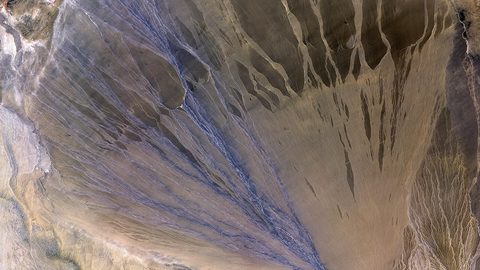
Provincial China rewards slow travellers with compressed continents of culture, cuisine, and landscape far beyond the standard megacity circuit.
Provincial China Beyond Beijing Shanghai Guangzhou and Xi’an
Provincial China rewards slow travellers with compressed continents of culture, cuisine, and landscape far beyond the standard megacity circuit.
-
 Planning a Slow Travel Route Through Yunnan’s Lesser-Visited Villages
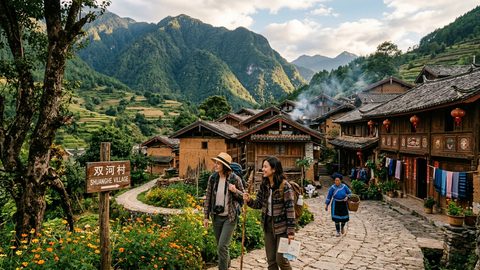
Plan a slower Yunnan journey through Dali, Shaxi, and Nuodeng, with realistic transport allowances, guesthouse advice, and respectful village visits.
Planning a Slow Travel Route Through Yunnan’s Lesser-Visited Villages
Plan a slower Yunnan journey through Dali, Shaxi, and Nuodeng, with realistic transport allowances, guesthouse advice, and respectful village visits.
-
 From Guiyang to Congjiang — A Week in Guizhou by Bus and on Foot
Independent travel from Guiyang to Congjiang in Guizhou: buses, minibuses, journey times, seasonal road conditions, and village guesthouses explained.
From Guiyang to Congjiang — A Week in Guizhou by Bus and on Foot
Independent travel from Guiyang to Congjiang in Guizhou: buses, minibuses, journey times, seasonal road conditions, and village guesthouses explained.