Visiting Fuling and Zhaoling The Shenyang Imperial Tombs of the Qing
Shenyang's Fuling and Zhaoling imperial tombs reveal a distinct Manchu burial architecture that predates and differs from Beijing's Ming dynasty mausoleums.
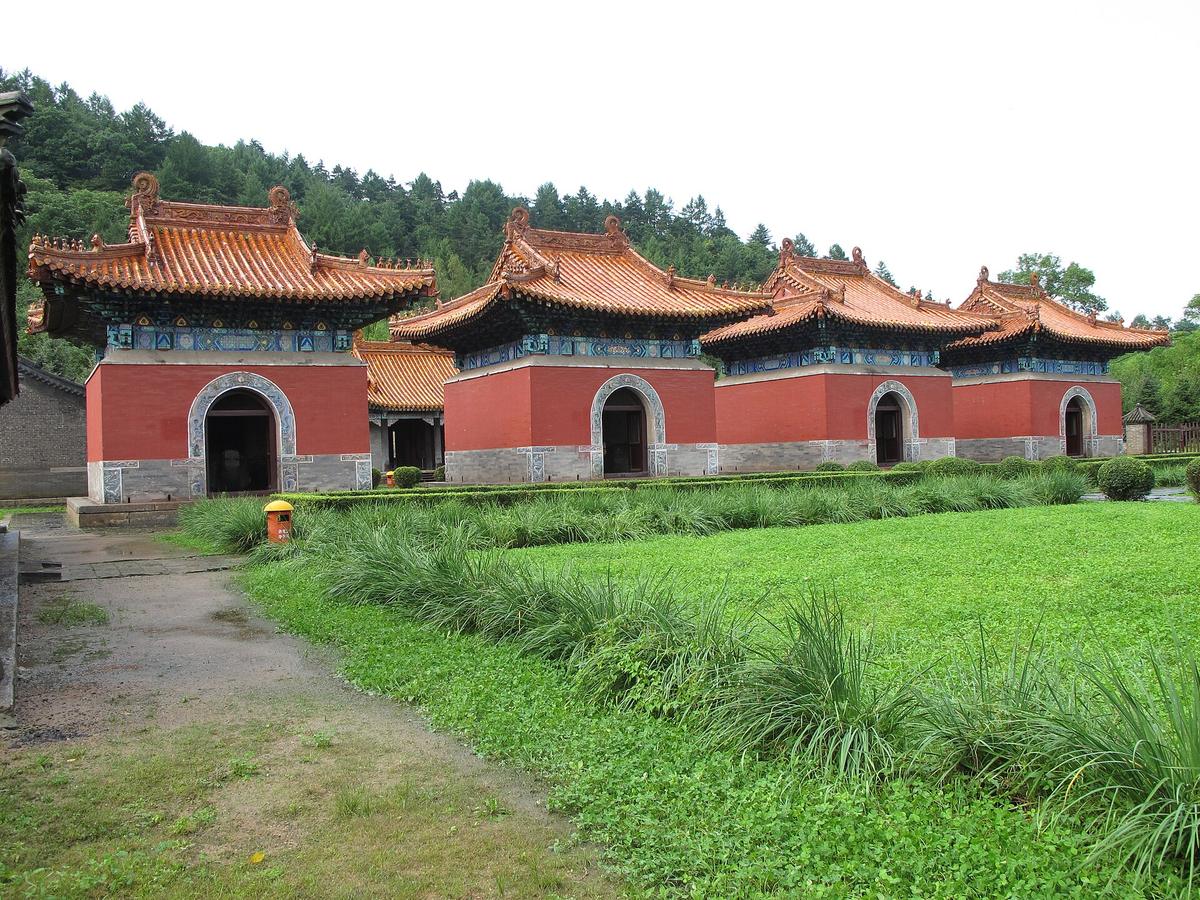
Fuling and Zhaoling Are Not the Ming Tombs
Shenyang's two imperial tombs, Fuling and Zhaoling, predate the Qing conquest of China proper. They embody a rawer, Manchu architectural language distinct from the Han Chinese Ming tombs near Beijing. The difference is not subtle. The Ming Thirteen Tombs ring Beijing with symmetrical courtyards and Confucian hierarchies. The Shenyang tombs sit in pine forests with hilltop burial mounds, steppe animal statues, and a walled fortress layout that mirrors the military camps of the Manchu Eight Banners. If you see only one set of imperial tombs in China, these two tell the story of how a nomadic confederation conquered a continent.
Fuling: Nurhaci’s Hillside Tomb in Dongling Park
Fuling, in eastern Shenyang's Dongling Park (194 hectares), holds Nurhaci (1559, 1626), founder of the Later Jin dynasty and posthumously named Emperor Taizu of Qing. Construction began in 1629 and finished in 1651. This is the older, rougher tomb.
The Walk Up the 108 Steps
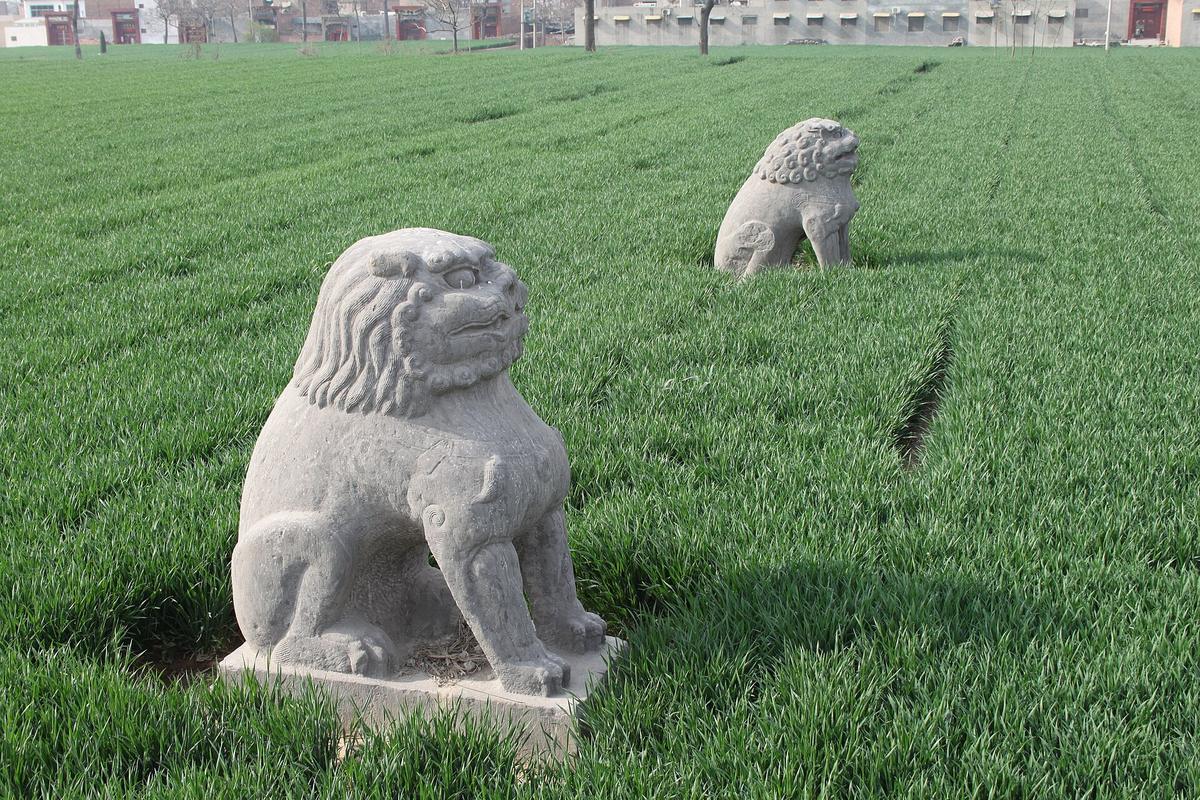
Fuling's spirit way runs roughly 560 metres through a stone archway, a main gate (Zheng Hong Men), animal statues (lions, camels, horses), ornamental columns, a stele pavilion, then the main hall. The critical feature: the tomb mound is set into the slope of Tianzhu Mountain, and you climb 108 stone steps to reach the Soul Tower. Those steps are not decorative. They separate the Manchu practice of hilltop burial from the flat Ming layout at Beijing. Arrive by 08:30 in summer (08:00, 17:30, April, October; 08:30, 16:30, November, March). The ascent is exposed. Bring water.
Setting Over Architecture
Fuling's architecture is less intact than Zhaoling's. The value here is the landscape. The tomb sits on a hillside surrounded by pines, and the park is a local recreational space where pensioners play cards and sing opera in pavilions. The ride from Mukden Palace is about 8 kilometres, roughly 20 minutes by taxi. The high-season ticket was CNY 40, low season CNY 30 (published by the Shenyang parks authority; confirm on arrival). Skip Fuling if your interest is purely ceremonial masonry. Visit Fuling for the hill, the steps, and the sense of a pre-conquest Manchu world.
Zhaoling: Hong Taiji’s Walled Fortress in Beiling Park
Zhaoling, in northern Shenyang's Beiling Park (330 hectares, includes Beiling Lake), holds Hong Taiji (1592, 1643), the second Later Jin khan and first Qing emperor, posthumously named Emperor Taizong. Construction ran 1643 to 1651. This is the better visit for architectural integrity.
The Only Walled Qing Tomb
Zhaoling is the only Qing imperial tomb enclosed by a city wall with corner towers, giving it the appearance of a Manchu military fortress. The spirit way runs about 800 metres, longer than Fuling's, with the same sequence: stone archway, main gate, animal statues, ornamental columns, stele pavilion, main hall, burial mound. The wall and towers are the distinct feature. Climb the tower for a view over the rectangular compound. The park itself hosts Beiling Lake and dense forest. Summer hours (April, October): 07:00, 17:00. Winter hours (November, March): 08:00, 16:00. The high-season ticket was CNY 50, low season CNY 30.
Logistics for a One-Day Visit
Mukden Palace plus one tomb (Zhaoling) is the standard single day in Shenyang. Both tombs in one day is possible but tight. Start at Mukden Palace (5 kilometres from Zhaoling, 8 kilometres from Fuling) by 09:00. The palace closes 45 minutes before the listed closing time; enter by 16:45 in summer, 15:45 in winter. The Mukden Palace ticket was CNY 60. From the palace, take a taxi to Zhaoling (5 kilometres, about 15 minutes). Spend two hours at Zhaoling. Then taxi to Fuling (12 kilometres from Zhaoling, about 25 minutes). Spend two hours at Fuling. Return to the palace area for dinner. The failure case: if you arrive at Mukden Palace after 15:00, skip Fuling. Do Zhaoling the next morning.


| Feature | Fuling | Zhaoling |
|---|---|---|
| Occupant | Nurhaci (Emperor Taizu, 1559–1626) | Hong Taiji (Emperor Taizong, 1592–1643) |
| Construction Years | 1629–1651 | 1643–1651 |
| Spirit Way Length | Approx. 560 m | Approx. 800 m |
| Distinct Feature | 108 stone steps up Tianzhu Mountain slope | Only Qing tomb with city wall and corner towers |
| Park Name / Area | Dongling Park, approx. 194 ha | Beiling Park, approx. 330 ha (includes Beiling Lake) |
| High Season Ticket | CNY 40 | CNY 50 |
| Low Season Ticket | CNY 30 | CNY 30 |
| Summer Hours (Apr–Oct) | 08:00–17:30 | 07:00–17:00 |
| Winter Hours (Nov–Mar) | 08:30–16:30 | 08:00–16:00 |
| Distance from Mukden Palace | Approx. 8 km | Approx. 5 km |
| Best For | Landscape, hillside setting, park atmosphere | Architectural integrity, fortress walls, ceremonial scale |
Bookend Your Manchu History Trail
Position these tombs as the closing act after Mukden Palace. Start at the palace (Mukden, the Manchu name for Shenyang) to see the Shunzhi Emperor's throne hall and the Eight Banners parade ground. Then visit Zhaoling for the fortress wall and Hong Taiji's burial. End at Fuling for the hilltop view over the pine forest where Nurhaci's spirit overlooks the plain. This trail works best for travellers with a specific interest in early Qing history before the conquest of Beijing in 1644. It does not suit travellers seeking Ming dynasty aesthetics, compact sightseeing, or a single representative imperial tomb. If you only have one morning in Shenyang, visit Zhaoling and skip Fuling. The single thing that most often goes wrong: visitors arrive at the tombs after 16:00 in winter, find the gates closed, and waste a day.
Read next
-

 Mukden Palace
Shenyang's Mukden Palace reveals Manchu origins through its octagonal Dazheng Hall and quiet courtyards, a compact contrast to the Beijing Forbidden City.
Mukden Palace
Shenyang's Mukden Palace reveals Manchu origins through its octagonal Dazheng Hall and quiet courtyards, a compact contrast to the Beijing Forbidden City.
-
 Provincial China Beyond Beijing Shanghai Guangzhou and Xi’an
Provincial China rewards slow travellers with compressed continents of culture, cuisine, and landscape far beyond the standard megacity circuit.
Provincial China Beyond Beijing Shanghai Guangzhou and Xi’an
Provincial China rewards slow travellers with compressed continents of culture, cuisine, and landscape far beyond the standard megacity circuit.
-
 Planning a Slow Travel Route Through Yunnan’s Lesser-Visited Villages
Plan a slower Yunnan journey through Dali, Shaxi, and Nuodeng, with realistic transport allowances, guesthouse advice, and respectful village visits.
Planning a Slow Travel Route Through Yunnan’s Lesser-Visited Villages
Plan a slower Yunnan journey through Dali, Shaxi, and Nuodeng, with realistic transport allowances, guesthouse advice, and respectful village visits.
-
 From Guiyang to Congjiang — A Week in Guizhou by Bus and on Foot
Independent travel from Guiyang to Congjiang in Guizhou: buses, minibuses, journey times, seasonal road conditions, and village guesthouses explained.
From Guiyang to Congjiang — A Week in Guizhou by Bus and on Foot
Independent travel from Guiyang to Congjiang in Guizhou: buses, minibuses, journey times, seasonal road conditions, and village guesthouses explained.