Yunnan in Winter A Route Built Around Clear Weather and Altitude
A practical guide to Yunnan in Winter A Route Built Around Clear Weather and Altitude.
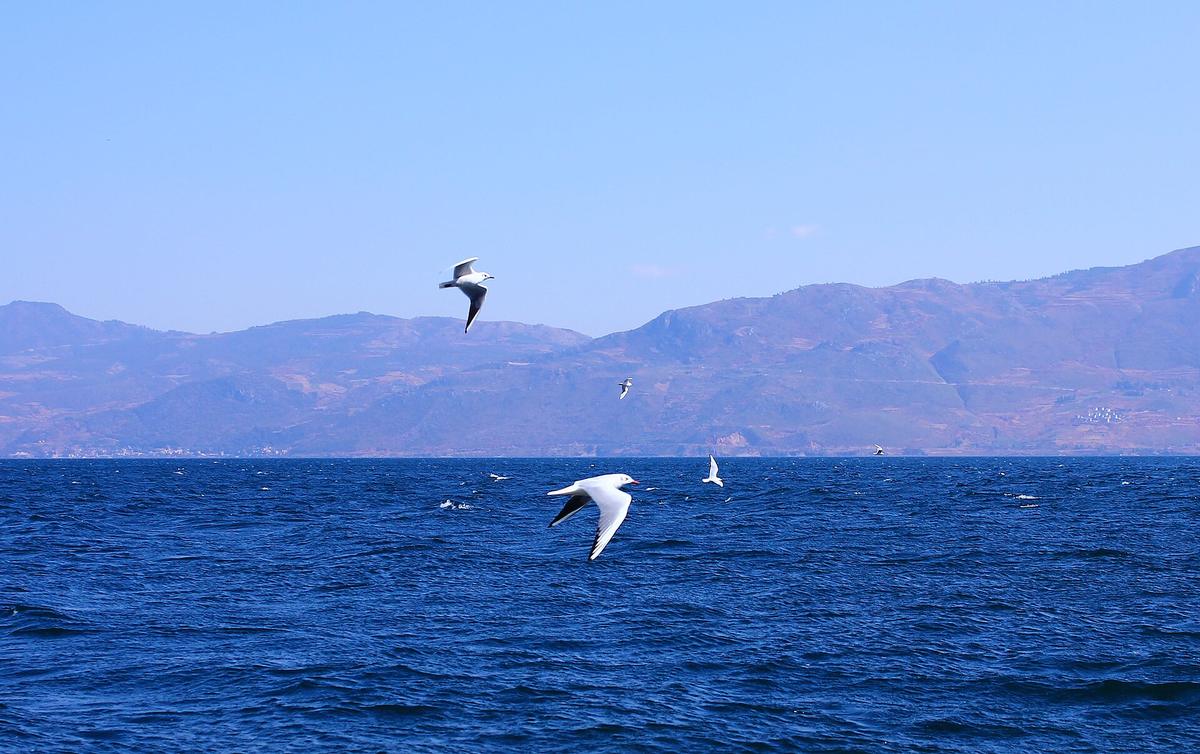

Why Winter Suits This Route
Yunnan in winter is often misunderstood. The province is not uniformly warm, and a route that ignores altitude will feel like three different seasons in one week. The practical solution is to plan around elevation and the region's dry, clear winter weather. Kunming sits at 1,891 metres above sea level. Lijiang's Old Town lies at 2,400 metres. Shangri-La, the seat of Diqing Tibetan Autonomous Prefecture, is at about 3,280 metres. That is a climb of nearly 1,400 metres between Lijiang and Shangri-La alone.
Winter daylight is a genuine asset here. Kunming's January climate, based on 1991 to 2020 averages, has a mean temperature of 9.5°C, an average minimum of 2.8°C, a maximum of 16.2°C, and about seven hours of sunshine per day. The dry season tends to bring clearer skies, which matters when the goal is to see snow peaks and high plateau landscapes. The tradeoff is cold mornings and sharp temperature swings after sunset, especially as you gain altitude.
Start Low in Kunming
Kunming is the sensible acclimatisation point. At 1,891 metres, it is high enough to begin adjusting but low enough to be forgiving. The city's winter daytime maximum of 16.2°C is comfortable for walking, while the average minimum of 2.8°C means early starts require a proper jacket. The seven hours of daily sunshine in January makes outdoor sightseeing realistic, but the temperature drops quickly once the sun goes down.
Use Kunming as a one-night reset rather than a long stay. The point of this route is to move upward gradually, and lingering too long at the lowest elevation does not help you prepare for Shangri-La. A short first day with light walking and an early night is a reasonable editorial recommendation, not a medical rule. The research does not state how long acclimatisation takes, so treat this as a pacing choice rather than a measured fact.
Lijiang as the Middle Step
Lijiang's Old Town sits at 2,400 metres on the Lijiang plain. That is a meaningful step up from Kunming but still well below Shangri-La. The UNESCO World Heritage Centre identifies this elevation as part of the town's setting in southwest Yunnan. In winter, the old town's narrow lanes and wooden buildings are cold in the morning and evening, while midday sun can feel surprisingly warm.
Lijiang works as a two-night base. It gives you time to adjust to 2,400 metres before the next climb, and it is the gateway to Jade Dragon Snow Mountain. The mountain's Glacier Park cableway reaches an upper station at 4,506 metres, with a boardwalk continuing to about 4,680 metres. That is a serious altitude jump from Lijiang. The cableway is not guaranteed to run. The Jade Dragon Snow Mountain management committee issues wind warnings and can suspend the Glacier Park cableway when wind speeds along the line reach roughly 40 to 80 km/h. Scheduled maintenance also closes cableways. A notice from Lijiang Yulong Tourism Company scheduled the Glacier Park cableway for maintenance suspension from 22 to 30 October 2026, and the Spruce Meadow cableway from 31 October to 10 November 2026. Before setting out, confirm the current operating notice with the Lijiang Yulong Snow Mountain Provincial Tourism Development Zone Management Committee. Do not assume the cableway is running simply because the weather in Lijiang looks calm.
The Rail Link to Shangri-La
The Lijiang-Shangri-La Railway opened on 26 November 2023. It connects Lijiang Station to Shangri-La Station over a 139 km single-track electrified line designed for 140 km/h. At the railway's opening, the fastest journey time between Lijiang and Shangri-La was 1 hour 18 minutes, and Kunming could reach Shangri-La directly via Dali and Lijiang. The line had handled more than 10 million passenger trips since opening, according to China State Railway Group.
Train numbers, journey times, fares and daily departure counts change with the timetable and date. The research notes do not provide a current schedule, and any number printed here would be a guess. The responsible operator is China State Railway Group, and the official booking platform is China Railway 12306. Check your own travel date there. The rail link is the most practical way to move between Lijiang and Shangri-La in winter, but the exact departure you take is a decision you must verify on the day you book.
Shangri-La and the Plateau Reality
Shangri-La lies at about 3,280 metres above sea level. That is the highest sleeping altitude on this route. The town is the seat of Diqing Tibetan Autonomous Prefecture, and winter here is cold, dry and bright. Clear skies are common, but the thin air and low overnight temperatures demand a slower pace. The research does not state how individual travellers respond to this altitude, so avoid assuming you will feel a certain way. The only responsible advice is to build in a quiet first day and keep strenuous activity optional.
Pudacuo National Park is nearby. Its highest point is the summit of Mili Tang North Mountain at 4,159 metres, and its lowest point is Jinzigou in eastern Bita Sea at 3,200 metres. That means even the park's lowest areas are close to Shangri-La's town elevation, while its high points exceed 4,000 metres. Opening hours and entry rules vary by season. Verify current hours and admission with Pudacuo National Park before visiting. The park's altitude range makes it a serious winter outing, not a casual stroll.
A Suggested Winter Order
The route works best from low to high. Start in Kunming at 1,891 metres. Move to Lijiang at 2,400 metres. Use Lijiang as the base for Jade Dragon Snow Mountain, where the Glacier Park cableway reaches 4,506 metres and the boardwalk continues to about 4,680 metres. Then take the railway to Shangri-La at 3,280 metres. This order means you sleep at progressively higher elevations, with the highest daytime excursion in the middle rather than at the end.
The tradeoff is that Jade Dragon Snow Mountain is a bigger altitude spike than Shangri-La itself. If you are concerned about altitude, you could visit the mountain after Shangri-La instead, but that means descending and then climbing again. There is no perfect order. The low-to-high sequence is a logical editorial recommendation based on the sourced elevations, not a medically verified protocol. Choose the order that matches your own tolerance and schedule.
What to Verify Before You Go
Three operational details can change without notice. First, train schedules and fares on the Kunming-Dali-Lijiang-Shangri-La route are mutable. Check China Railway 12306 for your exact travel date. Second, Jade Dragon Snow Mountain cableway operation can be suspended at short notice for wind or scheduled maintenance. Confirm the current notice with the Lijiang Yulong Snow Mountain Provincial Tourism Development Zone Management Committee. Third, Pudacuo National Park opening hours and entry rules vary by season. Verify with the park's official site before visiting.
Winter in Yunnan rewards travellers who accept that clear weather and high altitude are linked. The dry season brings sunshine and visibility, but it also brings cold nights and the need to respect elevation. Plan the route around the sourced altitudes, check the mutable details with the official operators, and leave room for a slower day when the plateau demands it.
Sources and verification
- en.www.km.gov.cn — Research source checked for this guide
- whc.unesco.org — Research source checked for this guide
- np.china-embassy.gov.cn — Research source checked for this guide
- source.nra.gov.cn — Research source checked for this guide
- china-railway.com.cn — Research source checked for this guide
- jadedragonsnowmountain.com — Research source checked for this guide
Read next
-

 Yunnan
 demands at least 10 days and a ruthless edit of your wishlist. This guide explains how to route a trip through China's most varied province without burning your holiday on mountain switchbacks.
-
 Guizhou Village Travel by Public Transport A Practical Loop
A practical guide to Guizhou Village Travel by Public Transport A Practical Loop.
-
 Domestic Flights to Guizhou, Xinjiang and Other Remote Chinese Provinces
How to book and fly domestic routes to Guizhou, Xinjiang and other remote Chinese provinces as an independent traveler — hubs, aircraft, and airport logistics.
-
 Planning a Slow Travel Route Through Yunnan’s Lesser-Visited Villages
Plan a slower Yunnan journey through Dali, Shaxi, and Nuodeng, with realistic transport allowances, guesthouse advice, and respectful village visits.
-
 From Guiyang to Congjiang — A Week in Guizhou by Bus and on Foot
Independent travel from Guiyang to Congjiang in Guizhou: buses, minibuses, journey times, seasonal road conditions, and village guesthouses explained.