Best Time to Visit Harbin: Festival Dates, Crowds and the Binary of Winter Versus Summer
The best time to visit Harbin is late December through late February for the ice festival, but avoid Chinese New Year week for crushing crowds and July through August for oppressive heat with no winter spectacle.
Harbin Best Time to Visit for Ice Festivals Without the Crush
The question is not whether to go. It is which month delivers the full winter spectacle without the crushing queues that define Chinese National Day Golden Week and the Lunar New Year week. The narrow window: the last two weeks of the month, after the official opening on 5 January and before the domestic travel surge that begins roughly ten days before Lunar New Year. That 14-day sweet spot gives you Ice and Snow World at full capacity, Sun Island snow sculptures in pristine condition, and hotel prices roughly 40 percent below the holiday peak.
Harbin is a binary destination. Winter exists. Summer does not, not for a spectacle traveller. The city was built for deep winter. Minus 25°C days are the norm and the cold reshapes how you move through the streets. Visitors who arrive in July expecting a Russian-flavoured town find a sprawling, traffic-heavy Chinese industrial capital with pockets of faded architecture and summer humidity that hits 28°C. Seventy percent of annual precipitation falls between June and August. The ice melts. The spectacle evaporates. The airport bus still runs, but there is no reason to be on it.
The 2025 edition opens on 5 January 2025 and closes on 26 February 2025. The 2024 edition ran 5 January to 25 February. The 2023 edition ran 5 January to 25 February. The annual pattern is consistent: an opening date of 5 January and a closing date in late February determined by weather. The exact closing date is published each year by the Harbin municipal tourism bureau in late December. Do not book a flight for late February without checking that year's closure date against your travel dates. The Ice and Snow World site in Songbei District rarely operates at full size until roughly 10 January. Construction of the massive illuminated ice structures continues through the first week after the official opening.


Harbin Ice Festival Dates That Matter
The dates fall into three distinct phases. The early window from late December to 4 January is partial. Ice and Snow World opens a soft launch, but the full site is still under construction and the official opening ceremony has not happened. The main window from 5 January to roughly 20 January is the sweet spot. The site is fully built, the crowds are moderate, and the temperatures are punishing but predictable. The late window from Lunar New Year through late February is crowded, expensive, and risky if the weather warms early.
How the Opening Date Works
Ice and Snow World in Songbei District runs a soft launch in the final week of December. The official 5 January date is the opening ceremony. The ice sculpture competition results are displayed, the major illuminated structures are fully powered, and the secondary venues at Sun Island Snow Sculpture Art Expo and Zhaolin Park Ice Lantern Fair open simultaneously. Arrive before 5 January and you see an incomplete product. Arrive after 5 January and you see the full show.
How the Closing Date Works
The closing date is always late February, but the exact date depends on daily average temperatures. Ice structures begin to soften and become structurally unsafe when daytime highs rise above minus 5°C. In 2024 the site closed on 25 February. In 2025 it closes on 26 February. The official closing is announced roughly two weeks in advance on the Harbin tourism bureau website. If your itinerary depends on late February, book refundable accommodation and have a backup plan for Harbin Siberian Tiger Park or the Harbin Grand Theatre, both of which operate year round.
Harbin Winter Season Realities
The winter season runs from late December through February, with the first month of the year as the core. The average low is minus 25°C. The average high is minus 13°C. The record low is minus 42.6°C, recorded in 2001. You will not experience that temperature on a random visit, but you will experience temperatures that disable consumer electronics. Smartphones shut down between minus 10°C and minus 20°C depending on the model and battery health. Camera batteries lose 50 to 70 percent of their rated shots at minus 25°C. Power banks fail below minus 20°C because lithium ion discharge stops. The practical result: you cannot rely on your phone for navigation, photography, or payment after roughly 45 minutes outdoors.
What the Cold Does to Your Body
Exposed skin develops frostbite in 10 to 15 minutes at minus 25°C. Face protection is not optional. Wear a balaclava or face mask. Goggles become necessary at minus 20°C and below. The clothing layers required are a thermal base layer, a fleece or wool mid layer, and a down outer layer. Insulated boots must be rated to minus 30°C or lower. Mittens over liner gloves work better than gloves alone. One heavy coat is not enough. Standing still at an ice festival for two hours at minus 30°C with wind chill is a fundamentally different challenge than walking a city street. Visitors who underestimate this end their day early and spend the evening in a hotel room with heating set to 25°C or higher. That 50-degree temperature swing triggers colds and makes layering strategy critical.
| Month | Average High | Average Low | Festival Status | Crowd Level |
|---|---|---|---|---|
| Late December | -10°C | -22°C | Soft launch | Moderate |
| Early January | -13°C | -25°C | Open, building full by 10 Jan | Low to moderate |
| Late January | -13°C | -25°C | Full | Moderate, rising before CNY |
| Early February | -8°C | -22°C | Full, possible early closure | Very high during CNY week |
| Late February | -8°C | -22°C | Closing, check date | Moderate after CNY |
Harbin Lunar New Year Crowds and the Crush Events
Lunar New Year crowds are the single worst factor for any winter visitor. The holiday falls in late January or February each year and triggers a domestic tourism crush that fills Ice and Snow World, Sun Island, and Zhaolin Park with hour-long queues for entry gates, restrooms, and food stalls. Hotel prices in Daoli and Songbei spike by 50 to 100 percent above the early-month baseline. Taxis become scarce after 8pm because drivers seek flat-rate negotiations instead of metered fares. Ride hailing via Didi produces wait times exceeding 30 minutes.
The first week of October, officially National Day Golden Week, is the other crush event, but it falls outside the winter season entirely. Arrive in early October and you find no ice, no snow, average highs of 13°C dropping to 3°C by November, and the same domestic tourism pressure that makes Beijing and Shanghai unbearable that week. There is no spectacle to justify the queues. Avoid this window completely.
What Lunar New Year Week Looks Like
The week before the holiday sees moderate crowds as families travel home. The week of the holiday itself sees peak crowds from domestic tourists on break. The week after sees a gradual decline. If your only available travel window is the holiday, arrive on the Wednesday or Thursday of that week. The initial surge of day trippers has passed and the closing-day crowds have not yet arrived. Queue for Ice and Snow World at 10am when it opens, not at 6pm when the illuminated structures draw maximum visitors. Budget for a hotel rate of roughly 500 yuan to 800 yuan per night in Daoli, compared to 300 yuan to 500 yuan in mid January.
Harbin Summer Avoid: Why July and August Are the Wrong Call
The summer warning is straightforward: July and August deliver oppressive heat and humidity with none of the winter spectacle. The average July high is 28°C and the average low is 18°C. The humidity from 60 to 70 percent of annual precipitation falling in these months makes the heat feel thicker than the number suggests. The Songhua River is not frozen. The ice structures do not exist. The Sun Island snow sculptures are grass and trees. The entire reason to be in Harbin has evaporated.
Book a July flight expecting Russian character from Zhongyang Street and Saint Sophia Cathedral and you will find those buildings present but the context absent. Zhongyang Street remains a pedestrian cobblestone strip with Russian-era buildings, but you walk it in summer clothes rather than winter layers. The atmosphere of a city fighting the cold, which is what gives Harbin its character, is gone. The city reverts to being a car-centric industrial capital with traffic gridlock in Nangang and wide empty boulevards in Songbei. The Harbin Beer is still cold. The Dongbei suancai hotpot still simmers. But nothing requires a flight to Harbin rather than a flight to any other second-tier city with decent food and Soviet-era architecture.
Harbin January February Weather and What it Means for Your Day
The weather data dictates your daily schedule. In the first month of the year, the average low is minus 25°C and the average high is minus 13°C. In the second month, the average low is minus 22°C and the average high is minus 8°C. Winter daylight hours in December and the opening month are 8.5 to 9 hours. No day should start before 10am. The cold makes the pre-dawn hours dangerous and unrewarding. The sun sets by roughly 4:30pm in midwinter, so the illuminated ice structures at Ice and Snow World are the evening activity, not the afternoon one.
Your Three-Day Itinerary
Day one: Sun Island Snow Sculpture Art Expo in Songbei during daylight hours, then Zhaolin Park Ice Lantern Fair in Daoli in the evening. Day two: Ice and Snow World in Songbei from 10am to 4pm for the structures in daylight, then return after 5pm for the illuminated experience. Day three: Harbin Siberian Tiger Park in the morning, then Zhongyang Street, Saint Sophia Cathedral, and the Songhua River frozen activities in the afternoon. The Songhua River freezes from late November to early April, with ice thickness reaching 1.0 to 1.5 metres in deep winter, supporting ice slides, horse carts, and ice bikes. The riverbank in Daoli is the access point.
Peak December Window and the Shoulder Cold
The last week of December, before the site opens, is a compromise. Ice and Snow World soft launches, so you see partial structures and smaller crowds. The advantage: hotel prices in Daoli and Nangang have not yet spiked. The disadvantage: the full spectacle is not there. If you prioritise value over completeness, the last week of December works. If you want the full winter spectacle without crowds, mid January works better.
The shoulder cold months of March and November are not viable. March has an average high of 3°C. The ice structures are removed or melting, and the snow sculptures are gone. November has an average high of minus 1°C and average low of minus 12°C, but the Songhua River has not yet frozen to safe thickness and the site has not been built. The best time to visit for ice festivals without the crush is the last two weeks of January. Full stop.
What the Reader Does When the Normal Route is Blocked
If you arrive during Lunar New Year week and the queues at Ice and Snow World exceed one hour, skip the main venue. Head to Zhaolin Park Ice Lantern Fair in Daoli instead. The entry fee is 200 yuan compared to 330 yuan, the scale is smaller, and the queues are shorter because domestic tourists prioritise the illuminated mega structures. If the cold forces you indoors after 30 minutes, go to the Harbin Grand Theatre in Songbei. The striking contemporary architecture and bookable performances provide a warm refuge a 10-minute walk from the metro. If your phone battery dies because of the minus 25°C temperature, your fallback payment method is cash. The metro ticket machines accept cash. The food stalls on Zhongyang Street accept cash. The taxi drivers who refuse metered fares accept cash. Carry at least 500 yuan in small bills.
Who Harbin is for and Who it is Not for
Harbin is for ice and snow festival chasers willing to endure extreme cold of minus 25°C and the practical friction of disabling cold. It is for architecture buffs interested in early 20th-century Russian diaspora history visible on Zhongyang Street and at Saint Sophia Cathedral. It is for winter photographers seeking surreal frozen landscapes at Sun Island and the Songhua River. It is for second-tier China explorers who have done Beijing and Shanghai and want a unique cold-weather spectacle. It is for budget winter travellers who do not ski but want a spectacle that costs 330 yuan entry rather than lift-ticket prices.
Harbin is not for travellers who dislike temperatures below minus 15°C. It is not for anyone seeking a polished, walkable historic core; the city is car-centric and the cold forces constant indoor retreats. It is not for summer visitors expecting a Russian-flavoured town; July and August turn it into a hot, dusty industrial city. It is not for solo travellers who rely on spontaneous street wandering; the cold limits outdoor time and the language barrier makes solo navigation difficult without a translation app and offline Baidu Maps.
The single thing that most often goes wrong: underestimating the cold and assuming one heavy coat is enough. Visitors freeze because they neglect insulated boots rated to minus 30°C, face coverage, and the fact that standing still at an ice festival for two hours at minus 30°C with wind chill is a fundamentally different challenge than walking a city street. Arrive with the right gear. Book the last two weeks of January. Leave Harbin when the site closes.
Common Questions
When exactly does the Harbin Ice and Snow Festival open and close?
The official opening date is 5 January every year. The closing date is late February, between 25 and 28 February, but the exact date is announced by the Harbin tourism bureau each December and depends on daily temperatures. The 2025 closing date is 26 February.
Which weeks deliver the full spectacle without Lunar New Year queues?
The last two weeks of January, from roughly 10 January to 24 January. The site is fully built by 10 January, and the domestic surge for the holiday has not yet started. Hotel prices are 40 percent lower than during the holiday week.
Can I see the ice festival in early December?
No. Ice and Snow World soft launches in late December, but the full site does not open until 5 January. Early December has no ice structures, no snow sculptures, and daytime highs around minus 10°C with no payoff for the cold.
What happens if I visit Harbin in July?
You experience oppressive heat with average highs of 28°C, humidity from summer rains, and no ice festival. The city becomes a traffic-heavy industrial capital with pockets of faded Russian architecture. The spectacle that draws visitors only exists between January and February.
Read next
-
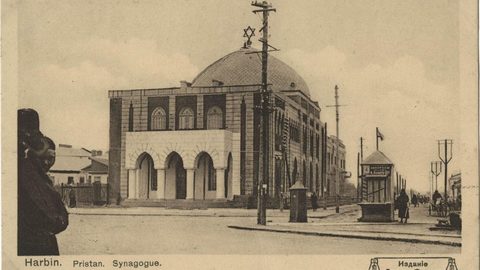
 Harbin Where to Stay for the Ice Festival and Winter Cold
Where to stay in Harbin during winter comes down to heating reliability, distance from the ice sites, and whether you want walkable Zhongyang Street or quick access to Ice and Snow World in Songbei.
Harbin Where to Stay for the Ice Festival and Winter Cold
Where to stay in Harbin during winter comes down to heating reliability, distance from the ice sites, and whether you want walkable Zhongyang Street or quick access to Ice and Snow World in Songbei.
-
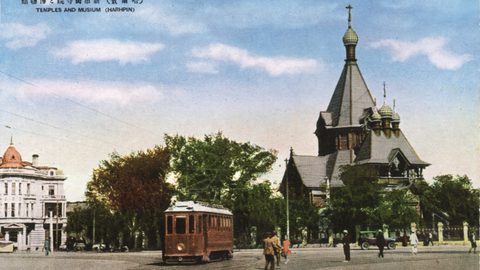 Harbin Things to Do Beyond the Ice and Snow World
Harbin things to do in winter centre on the Ice and Snow World, Sun Island snow sculptures, Zhaolin Park lanterns, and Russian architecture along Zhongyang Street, each demanding a strategy for the cold.
Harbin Things to Do Beyond the Ice and Snow World
Harbin things to do in winter centre on the Ice and Snow World, Sun Island snow sculptures, Zhaolin Park lanterns, and Russian architecture along Zhongyang Street, each demanding a strategy for the cold.
-
 Harbin Getting Around in Winter Without a Chinese Bank Card
Getting around Harbin in winter means relying on the heated metro, preparing for taxi meter refusals after dark, and knowing that Didi wait times can stretch past 30 minutes at minus-25°C.
Harbin Getting Around in Winter Without a Chinese Bank Card
Getting around Harbin in winter means relying on the heated metro, preparing for taxi meter refusals after dark, and knowing that Didi wait times can stretch past 30 minutes at minus-25°C.
-
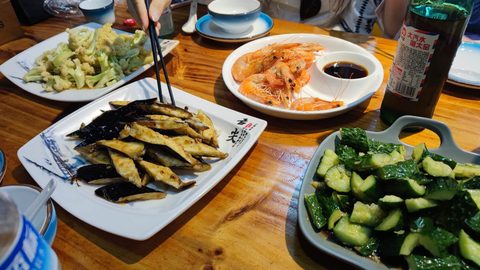 Harbin Food Worth Freezing For From Guo Bao Rou to Madier Ice Cream
Harbin food spans Russian-influenced smoked sausage and sourdough rye to Dongbei guo bao rou and the local ritual of eating Madier ice cream outdoors on Zhongyang Street at minus-20°C.
Harbin Food Worth Freezing For From Guo Bao Rou to Madier Ice Cream
Harbin food spans Russian-influenced smoked sausage and sourdough rye to Dongbei guo bao rou and the local ritual of eating Madier ice cream outdoors on Zhongyang Street at minus-20°C.
-
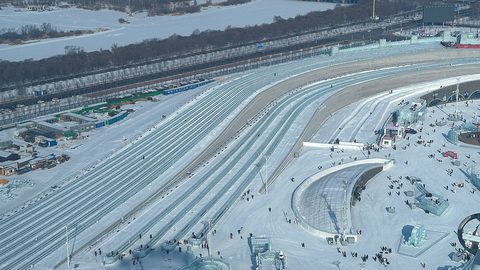 The Harbin Ice and Snow Festival
 spans three paid sites—Ice World, Sun Island, and Zhaolin Park—each with separate tickets, peak hours, and cold-weather demands.
The Harbin Ice and Snow Festival
The Harbin Ice and Snow Festival spans three paid sites—Ice World, Sun Island, and Zhaolin Park—each with separate tickets, peak hours, and cold-weather demands.
-
 Provincial China Beyond Beijing Shanghai Guangzhou and Xi’an
Provincial China rewards slow travellers with compressed continents of culture, cuisine, and landscape far beyond the standard megacity circuit.
Provincial China Beyond Beijing Shanghai Guangzhou and Xi’an
Provincial China rewards slow travellers with compressed continents of culture, cuisine, and landscape far beyond the standard megacity circuit.
-
 What to Wear in Harbin at Minus Thirty and What Breaks in the Deep Cold
Harbin at minus thirty demands a specific layering system, boots with toe room, and plans for phone battery death and camera lens fogging.
What to Wear in Harbin at Minus Thirty and What Breaks in the Deep Cold
Harbin at minus thirty demands a specific layering system, boots with toe room, and plans for phone battery death and camera lens fogging.
-
 Harbin Russian Past Central Street Saint Sophia and the Railway Legacy
Harbin's Russian-built Central Street and Saint Sophia Cathedral are the surviving architecture of a city born from the Chinese Eastern Railway.
Harbin Russian Past Central Street Saint Sophia and the Railway Legacy
Harbin's Russian-built Central Street and Saint Sophia Cathedral are the surviving architecture of a city born from the Chinese Eastern Railway.
-
 Planning a Slow Travel Route Through Yunnan’s Lesser-Visited Villages
Plan a slower Yunnan journey through Dali, Shaxi, and Nuodeng, with realistic transport allowances, guesthouse advice, and respectful village visits.
Planning a Slow Travel Route Through Yunnan’s Lesser-Visited Villages
Plan a slower Yunnan journey through Dali, Shaxi, and Nuodeng, with realistic transport allowances, guesthouse advice, and respectful village visits.