Getting Around Harbin: Metro, Taxis and Didi at Minus-25°C
Getting around Harbin in winter means relying on the heated metro, preparing for taxi meter refusals after dark, and knowing that Didi wait times can stretch past 30 minutes at minus-25°C.
Harbin Getting Around in Winter Without a Chinese Bank Card
You land at Taiping International Airport, phone at 80 percent, planning to call a Didi. Before you reach the baggage claim the battery is dead from cold. Your Alipay transport code is a brick because it is linked to a Chinese bank card you do not have. Getting around Harbin in winter requires a plan that works when digital payments fail and the cold disables your backup devices. Start here: the metro is your only reliable heated option. Taxi, Didi, bus, every other method comes with a winter-specific failure mode you need to handle before you step outside.
Harbin Metro Winter: the Only Warm Transport You Can Trust
Harbin metro runs three lines. Line 1 goes from Harbin East Railway Station to Xinjiang Street. Line 2 crosses the Songhua River into Songbei District, stopping at Ice and Snow World Station and Sun Island Station. Line 3 is the ring line connecting Harbin West Railway Station, Taipingqiao, and Sports Park. Trains arrive every 5 to 8 minutes at peak times, every 8 to 12 minutes off-peak. Operating hours are 06:00 to 22:30 from the terminals.
Fares run ¥2 to ¥5, distance-based. Foreign contactless cards do not work at ticket gates. The Alipay transport code requires a Chinese bank card to top up. Your fallback is the cash ticket machine. Not every stop has one, and not every machine accepts foreign banknotes. Use the machines displaying a banknote icon. Stick to ¥5, ¥10, and ¥20 notes; machines reject crumpled or damp bills. Change is given in coins. Stations on Line 2 serving Songbei tourist sights reliably have cash machines. Harbin Railway Station on Line 1 also has several. If you arrive at a stop where the cash machine is broken, exit and enter through a different gate. Some stations have a separate machine near the customer service window that takes cash.


Harbin Taxi Winter Tips: Short Fares, Refused Meters, and After 8pm Scarcity
Taxis are plentiful during the day but drivers routinely refuse short fares in extreme cold. A trip from Zhongyang Street to Ice and Snow World, roughly 8 to 10 km, should run ¥20 to ¥35 and take 20 to 35 minutes. The driver may demand a negotiated flat rate of ¥50 or more. Have your destination written in Chinese characters on paper or displayed on a phone screen that is not about to die. If the driver refuses the meter, step out and flag the next one. Most drivers near tourist areas will take a fare to Songbei for the meter price during daylight hours.
After 8pm, taxis become scarce city-wide. The queue at Ice and Snow World at closing time runs 30 to 90 minutes. Drivers in that queue will demand flat rates of ¥60 to ¥100 for a ride that should cost ¥25. Do not get into a taxi that has not turned on the meter unless you have agreed the price in advance and written it down. The driver may raise it after you are in the car. Your safer option after 8pm is Didi. Wait times in Songbei during peak Ice Festival hours average 10 to 20 minutes and can stretch to half an hour. Didi surge pricing after the event closes runs 1.5 to 3 times the base fare.
Didi Harbin Cold Weather: What Fails When Your Phone Dies
Didi ride-hailing works through an English-language interface in the app. The problem in Harbin winter is that your phone battery drains in minutes outdoors. A fully charged phone can drop to 30 percent in 10 to 15 minutes at minus 25°C with wind. At minus 30°C, it shuts down. Keep your phone in an inner pocket against your body. The warmth keeps the battery alive. A portable power bank in the same pocket extends your window. Do not rely on the phone for more than 5 minutes outside before you have a heat source.
If your phone dies while you are waiting for a Didi at Ice and Snow World, you cannot cancel the ride and you cannot call the driver. The driver will wait the required time and then cancel, charging you a no-show fee that goes to your Alipay, which you cannot dispute without a working phone. Solution: set the pickup point before your phone goes into your pocket. Do not open any other app, and walk to the exact pickup spot. Do not stand in the open. Stand inside the venue's heated rest areas until the app shows the driver is two minutes away, then walk out. Those indoor warm-up locations inside Ice and Snow World are limited and small. They are the difference between a working phone and a dead one.
| Method | Cost | Cold Risk | Payment | When To Use |
|---|---|---|---|---|
| Metro | ¥2–¥5 | Heated platforms and trains | Cash or card (no foreign contactless) | Daytime, any district except airport |
| Taxi | ¥20–¥35 (short), ¥100–¥130 (airport) | Heated cabin, 50°C swing when exiting | Cash or WeChat Pay; meter refusal common | Daytime, long trips, luggage |
| Didi | ¥25–¥40 (central to Songbei), surge 1.5–3x after 8pm | Heated cabin, phone dies in cold | Alipay or WeChat Pay linked to Chinese bank card | Any time, but phone battery must survive wait |
| Airport Bus Line 1 | ¥20 | Bus is heated, 60–80 min ride | Cash only | Airport to Harbin Railway Station, daytime arrivals |
| Walking | Free | Frostbite risk in 10–30 min on exposed skin | Free | Under 500 m, only with full face coverage |
Harbin Transport from Airport: Your First Decision
Taiping International Airport is 37 km southwest of central Harbin. No direct metro line exists as of the 2025-2026 winter season. The Line 2 extension is under construction. Your arrival options are the airport bus or a taxi.
Airport Bus Line 1: Cash Only, Heated, Reliable
Bus Line 1 runs from Taiping Airport to Harbin Railway Station. The fare is ¥20, cash only. Journey time is 60 to 80 minutes depending on road ice. The bus is heated. The last bus departs after the final flight arrival; exact times align to the schedule, so check at the bus counter inside arrivals. Line 2 goes to Harbin West Railway Station for the same fare, useful if your hotel is in Nangang or you are catching a high-speed train the same day. Both buses accept only Chinese cash. Have ¥20 and ¥10 notes ready. The ticket counter inside the arrivals hall sells tokens or boarding passes; do not try to pay the driver directly.
Taxi From Airport: Flat Rate and Phone Prep
A taxi from the airport to the central Daoli district costs ¥100 to ¥130. Journey time is 40 to 60 minutes depending on road ice and traffic. Drivers at the airport queue will quote a flat rate; ¥120 is standard. They rarely use the meter for airport runs. Have your hotel name and address in Chinese on paper. Your phone will be warm from the flight, but it will start draining the moment you step outside the terminal. Do the map check inside the heated terminal before you walk to the taxi rank. If the taxi line is long, and it often is in January peak season, walk to the bus counter and take Airport Bus Line 1 instead. You save ¥80 to ¥110 and avoid a half-hour wait in the cold.
Harbin Public Transport Winter: Bus, Walking, and the Battery Problem
City buses cost ¥1 to ¥2, cash or transport card. Most routes run 06:00 to 20:00, with limited night routes until 22:00. Buses are heated. The problem is knowing which bus to take: signs and announcements are in Chinese only, and Google Maps is useless here. Download offline Amap or Baidu Maps before you leave WiFi. Amap works in English for basic directions and shows bus numbers with live arrival times, but only if you have mobile data. Foreign SIM roaming works but data speeds drop in extreme cold. A local SIM purchased at a China Mobile or Unicom shop requires your passport and gives reliable data for about ¥50 a month.
Walking at Minus 25°C: Know the Limits
Walking at these temperatures is a calculation you make honestly. Map distances over 1 km require an indoor warm-up break or a vehicle. A 500 to 800 metre walk is practical if you have full face coverage, insulated boots, and no exposed skin. Frostbite risk on exposed skin begins at 10 minutes and becomes significant at 30 minutes, varying with wind speed. Zhongyang Street is walkable for its length because the shops and food counters provide warm-up entry points every block. Songbei's wide empty boulevards offer no such shelter. If you are crossing the Songhua River on foot, possible from late December through late February when the ice is 0.8 to 1.5 m thick, the distance from Sun Island to Ice and Snow World is about 1.5 km on the frozen surface. That is 20 to 30 minutes exposed to full wind with no shelter. Do it only as part of a planned route, not as a shortcut.
The Failure Case: When Everything Goes Wrong
You are at Ice and Snow World at 21:30. Your phone is dead. The metro has stopped running. The taxi queue has 80 people in it. Your cash is in your hotel safe because you planned to use Alipay. The Didi app is on a phone that will not turn on.
You have one move: walk to the main road, Ice and Snow World Avenue, and flag a taxi from the queue of drivers dropping off passengers at the venue. These drivers are not in the official queue and will quote a flat rate. Negotiate before the door closes. The standard rate for a ride from Songbei to central Daoli is ¥30 to ¥40. Anything above ¥60 is a rip-off. Show the address on paper. Do not get into a taxi that has not established the price. If no taxi stops, walk to a nearby hotel. There are no shopping malls adjacent to Ice and Snow World, but small hotels on the side streets have heated lobbies where you can charge your phone for 15 minutes and call a Didi on the lobby WiFi.
The single most practical thing you can do before you leave your hotel: take a photo of your hotel's Chinese name and address, save a screenshot of a map showing the route from Ice and Snow World back to your hotel, and carry ¥200 in small bills in a pocket that is not inside your coat. That paper is worth more than any app when the cold kills your phone.
Harbin Getting Around: Winter Transport FAQ
Can I use a foreign credit card to pay for the Harbin metro?
No. Foreign contactless cards do not work at metro ticket gates. Use cash at the ticket machines that accept banknotes; look for the banknote icon. Machines accept ¥5, ¥10, and ¥20 notes. Stations on Line 2 serving Songbei tourist sights have these machines.
What do I do when a Harbin taxi driver refuses the meter?
Step out of the taxi immediately and flag another. Drivers near Zhongyang Street and Harbin Railway Station will take meter fares during daylight hours. For trips to Songbei after 8pm, negotiate the flat rate before the door closes and get the price in writing. A Zhongyang Street to Ice and Snow World flat rate above ¥40 is a bad deal; walk away.
How do I use Didi in Harbin when my phone keeps dying from cold?
Keep your phone and a portable power bank in an inner pocket against your body. Set the pickup point before you go outside. Stand inside a heated area until the driver is two minutes away, then walk out. Do not open any other app during the wait. If the phone dies, you cannot cancel and may be charged a no-show fee.
Is the airport bus from Harbin Taiping Airport the best option?
Yes, if you have cash. Line 1 runs to Harbin Railway Station for ¥20, cash only. The bus is heated and takes 60 to 80 minutes. It is a better option than a ¥120 taxi if you are not carrying heavy luggage and your hotel is near Harbin Railway Station or a metro stop on Line 1.
How should I get from Ice and Snow World back to central Harbin after it closes?
Leave before 21:00 to avoid the 30 to 90 minute taxi queue at closing. Take the metro. Ice and Snow World Station on Line 2 runs until 22:30, with trains every 8 to 12 minutes off-peak. After the metro stops, your options are a Didi with surge pricing at 1.5 to 3 times the base fare or a taxi that will demand a flat rate of ¥60 or more. Budget for it in advance.
Read next
-
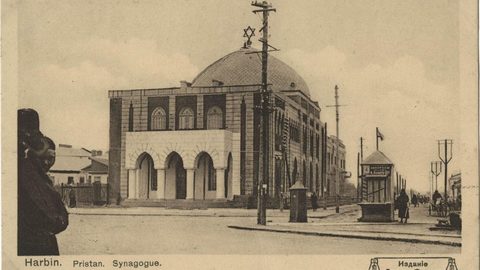
 Harbin Where to Stay for the Ice Festival and Winter Cold
Where to stay in Harbin during winter comes down to heating reliability, distance from the ice sites, and whether you want walkable Zhongyang Street or quick access to Ice and Snow World in Songbei.
Harbin Where to Stay for the Ice Festival and Winter Cold
Where to stay in Harbin during winter comes down to heating reliability, distance from the ice sites, and whether you want walkable Zhongyang Street or quick access to Ice and Snow World in Songbei.
-
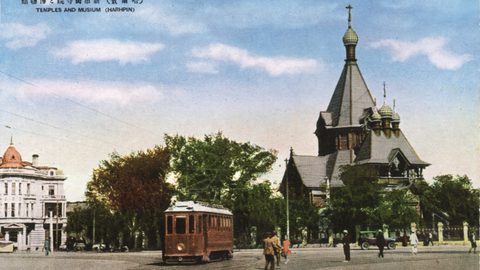 Harbin Things to Do Beyond the Ice and Snow World
Harbin things to do in winter centre on the Ice and Snow World, Sun Island snow sculptures, Zhaolin Park lanterns, and Russian architecture along Zhongyang Street, each demanding a strategy for the cold.
Harbin Things to Do Beyond the Ice and Snow World
Harbin things to do in winter centre on the Ice and Snow World, Sun Island snow sculptures, Zhaolin Park lanterns, and Russian architecture along Zhongyang Street, each demanding a strategy for the cold.
-
 Harbin Best Time to Visit for Ice Festivals Without the Crush
The best time to visit Harbin is late December through late February for the ice festival, but avoid Chinese New Year week for crushing crowds and July through August for oppressive heat with no winter spectacle.
Harbin Best Time to Visit for Ice Festivals Without the Crush
The best time to visit Harbin is late December through late February for the ice festival, but avoid Chinese New Year week for crushing crowds and July through August for oppressive heat with no winter spectacle.
-
 Harbin Food Worth Freezing For From Guo Bao Rou to Madier Ice Cream
Harbin food spans Russian-influenced smoked sausage and sourdough rye to Dongbei guo bao rou and the local ritual of eating Madier ice cream outdoors on Zhongyang Street at minus-20°C.
Harbin Food Worth Freezing For From Guo Bao Rou to Madier Ice Cream
Harbin food spans Russian-influenced smoked sausage and sourdough rye to Dongbei guo bao rou and the local ritual of eating Madier ice cream outdoors on Zhongyang Street at minus-20°C.
-
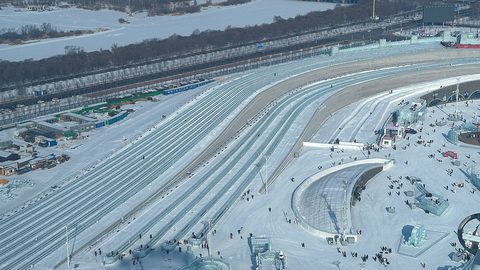 The Harbin Ice and Snow Festival
 spans three paid sites—Ice World, Sun Island, and Zhaolin Park—each with separate tickets, peak hours, and cold-weather demands.
The Harbin Ice and Snow Festival
The Harbin Ice and Snow Festival spans three paid sites—Ice World, Sun Island, and Zhaolin Park—each with separate tickets, peak hours, and cold-weather demands.
-
 Provincial China Beyond Beijing Shanghai Guangzhou and Xi’an
Provincial China rewards slow travellers with compressed continents of culture, cuisine, and landscape far beyond the standard megacity circuit.
Provincial China Beyond Beijing Shanghai Guangzhou and Xi’an
Provincial China rewards slow travellers with compressed continents of culture, cuisine, and landscape far beyond the standard megacity circuit.
-
 What to Wear in Harbin at Minus Thirty and What Breaks in the Deep Cold
Harbin at minus thirty demands a specific layering system, boots with toe room, and plans for phone battery death and camera lens fogging.
What to Wear in Harbin at Minus Thirty and What Breaks in the Deep Cold
Harbin at minus thirty demands a specific layering system, boots with toe room, and plans for phone battery death and camera lens fogging.
-
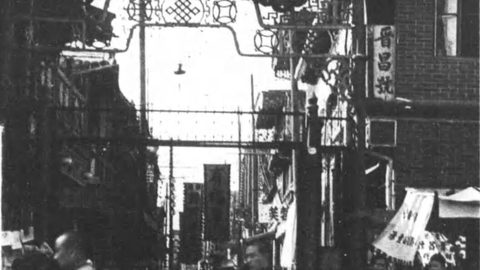 Harbin Russian Past Central Street Saint Sophia and the Railway Legacy
Harbin's Russian-built Central Street and Saint Sophia Cathedral are the surviving architecture of a city born from the Chinese Eastern Railway.
Harbin Russian Past Central Street Saint Sophia and the Railway Legacy
Harbin's Russian-built Central Street and Saint Sophia Cathedral are the surviving architecture of a city born from the Chinese Eastern Railway.
-
 Planning a Slow Travel Route Through Yunnan’s Lesser-Visited Villages
Plan a slower Yunnan journey through Dali, Shaxi, and Nuodeng, with realistic transport allowances, guesthouse advice, and respectful village visits.
Planning a Slow Travel Route Through Yunnan’s Lesser-Visited Villages
Plan a slower Yunnan journey through Dali, Shaxi, and Nuodeng, with realistic transport allowances, guesthouse advice, and respectful village visits.