Where to Stay in Harbin: District-by-District Winter Lodging Guide
Where to stay in Harbin during winter comes down to heating reliability, distance from the ice sites, and whether you want walkable Zhongyang Street or quick access to Ice and Snow World in Songbei.
Where to Stay in Harbin: District-by-District Winter Lodging Guide
You step out of a Daoli hotel lobby into minus 28°C and the shock hits your lungs like a wall. Fifty metres down Zhongyang Street your fingers stop working. By the time you reach Saint Sophia Cathedral 1.2 kilometres later, the 50 degree indoor outdoor temperature swing has worn you down to a single thought: where is the next heated doorway. That is the real question behind Harbin where to stay. It is not about which district has prettier buildings. It is about how many minutes you can stay outdoors before the cold forces a retreat and which bed you are retreating to.
Harbin Winter Accommodation: the Cold Changes Everything
Harbin is a city built for deep winter. Minus 25°C days are the norm and the cold is an active physical force that reshapes how you move through the streets. Visitors consistently underestimate how quickly the cold becomes painful rather than an aesthetic. A hotel that saves you 200 yuan a night but sits a 15 minute walk from the nearest metro entrance costs you more than money. It costs you the ability to stay outside long enough to see the ice festival properly.
Book ahead. The festival season hotel price multiplier runs roughly 2.5 times to 4 times the off season rate depending on the property. An off season 3 star on the main pedestrian strip that goes for 150 to 300 yuan jumps to 450 to 900 yuan during the festival. A 4 star goes from 300 to 600 yuan up to 900 to 1,800 yuan. Reserve one to three months ahead and treat the Chinese New Year surge as a separate problem if you are travelling in late January or February. Those dates see crushing domestic crowds and the highest price spikes of the season.
Heating reliability splits the city into two categories. International chain hotels and buildings constructed after 2000 have guaranteed heating. Converted heritage buildings in old Daoli structures and budget hostels in pre 1990s Soviet era brick buildings can drop below minus 15°C indoors if the radiators are not hot to the touch. The municipal heating season runs from October 20 to April 20 with indoor temperatures set between 18 and 24°C. That range depends on building age. If you are booking a guesthouse in an older structure, check recent reviews for the words radiator or cold room.

Best Area to Stay Harbin Ice Festival: Songbei Vs. Daoli
Songbei: Next to the Ice, Stranded for Everything Else
The single decision that matters most is which side of the Songhua River you sleep on. Songbei District sits on the north bank and puts you within 2 to 5 kilometres of Ice and Snow World and Sun Island Snow Sculpture Park. A taxi from a Songbei hotel to the festival gates costs 10 minutes and 20 yuan. From Zhongyang Street in Daoli the same trip runs 8 to 12 kilometres by road and takes 25 to 40 minutes depending on traffic. That sounds like a clear win for Songbei until you look at the rest of your day.
Songbei was built after 2010. Its boulevards are wide, empty and designed for cars, not pedestrians. The hotel stock is predominantly large modern resorts with indoor pools and reliable heating. The area has almost no street food, no convenience stores within walking distance and very few restaurants that stay open past 9 pm. You are trading proximity to the ice for isolation from everything else. If you eat dinner inside your hotel every night and only leave the room for the festival itself, Songbei works. If you want to wander the central pedestrian strip at night, eat street snacks or visit Zhaolin Park Ice Lantern Fair, you will spend 40 to 60 yuan and half an hour each way on taxis every time you cross the river.
Daoli: Walkable Streets, Longer Taxi Rides
Daoli District on the south bank is tourist ground zero and it earns that status through walkability. The main cobblestone strip is pedestrianized and lined with Russian era structures. Most hotels sit within 200 to 800 metres of it. Saint Sophia Cathedral is 1.2 kilometres on foot from the central avenue. The Songhua River floodplain with its frozen activities and Zhaolin Park ice lanterns is 600 metres away. You can do an entire evening outside hitting three landmarks and retreating into hotel lobbies or restaurant doorways between each stop without ever needing a taxi. The downside: your distance to Ice and Snow World adds 25 to 40 minutes each way and that taxi becomes non negotiable.
| District | Minutes Outside Before Retreat | Metro Connection to Zhongyang Street | Best For | Biggest Downside |
|---|---|---|---|---|
| Daoli | 15 to 25 minutes with proper layering | Line 2 at Shangye Daxue stop, 3 stops to the pedestrian street | Travellers who want walkable meals and evening strolling | Long taxi ride to Ice and Snow World |
| Songbei | 10 to 15 minutes before wind exposure becomes punishing | Line 2 from Shimao Avenue, 6 stops to the pedestrian street | Festival chasers who prioritise proximity to ice sculptures | No street life, few restaurants, stranded for meals |
| Nangang | 20 to 30 minutes with indoor retreats in shopping malls | Line 2 at the railway hub, 4 stops to the pedestrian street | Budget travellers who need train access and cheap hotels | Traffic gridlock, no tourist atmosphere |
| Daowai | 10 to 20 minutes depending on building condition | No metro within 1 km; bus to Daoli takes 15 minutes | Solo travellers seeking cheap guesthouses and street food | Unheated structures, crumbling infrastructure, taxi refusal |
Daoli District Hotels Harbin: the Walkability Winner
What You Get for the Price
Daoli hotels cover every price band: heritage conversion properties in early 20th century Russian structures, mid range chains, budget options above noodle shops. The district hotel stock is the most varied in the city and that variety comes with a warning. Converted heritage properties sometimes have variable heating. If the building was constructed before 1990 and the radiators are original, the room temperature may sit at 16°C while the lobby stays at 24°C. Book a room that was renovated after 2015 or stick to a known chain.
The pedestrian strip itself is the anchor. You step out of your hotel onto it and walk to the Flood Control Monument at the river end in 10 minutes. The Madier ice cream stands are open at minus 20°C. Eating a frozen dairy product in that cold is a local ritual you should try once. Metro Line 2 connects Daoli to Songbei for the ice festival days. Ride it from the central pedestrian area north to Shimao Avenue, then take a taxi the remaining 2 to 5 kilometres to Ice and Snow World. That combination cuts your travel time to roughly 35 minutes door to gate and costs under 10 yuan.
The Catch
The downside is that you pay for the location. Festival season Daoli 4 star hotels run 900 to 1,800 yuan per night. Those rooms sell out first for the Chinese New Year surge. If you book less than three months ahead for late January you will be picking from overflow hotels in Nangang or Xiangfang.
Songbei Accommodation Harbin: Proximity with a Cost
The Real Advantage
Songbei accommodation is the right choice if your primary goal is the Ice and Snow World and you are willing to trade everything else. The hotel stock consists of large modern developments built post 2010 with guaranteed heating, indoor pools and lobbies that stay warm. You can walk from your room to the festival gates in 10 minutes on foot. That matters. Standing still at an ice festival for two hours at minus 30°C with wind chill is a fundamentally different challenge than walking a city street. Being able to return to your room, warm up and go back out for the illuminated structures after dark is a real advantage.
What You Sacrifice
The cost is that Songbei has no walkable radius worth the name. The boulevards are wide, empty and exposed to wind that cuts through even the best winter coat. Metro Line 2 runs through the district from Shimao Avenue to the pedestrian strip in about 15 minutes. The stops themselves sit in the middle of nothing. You need a taxi to reach a restaurant and after 8 pm in winter taxis become scarce. Drivers routinely refuse meters for negotiated flat rates. Didi wait times can exceed half an hour. If you stay in Songbei, budget for dinner inside your hotel every night and accept that you cannot spontaneously explore.


Nangang Business Hotel: the Fallback Zone
Nangang is the commercial core around the railway hub and it works best as a fallback when Daoli and Songbei are sold out or overpriced. The terminal building itself is a restored 1903 Russian style structure worth seeing. The area around it is traffic heavy shopping mall territory with none of the tourist atmosphere of the pedestrian centre. Nangang business hotels tend to be cheaper than Daoli equivalents. Off season 3 star rates start from 120 to 250 yuan and festival season rates from 400 to 700 yuan.
Metro Line 2 connects the railway hub to the main pedestrian strip in four stops and to Songbei in eight stops. You can reach both tourist zones within 20 minutes on the train. The problem is the area between your hotel and the station entrance. Nangang sidewalks are wide but wind tunnel like. The cold hits harder here than in the sheltered pedestrian streets of Daoli. Plan your route to minimise outdoor exposure and use the terminal itself as a heated corridor between the metro and the street.
Harbin Hotels Near Ice and Snow World: the Songbei Trade Off
The Compromise
Hotels near Ice and Snow World are concentrated in Songbei and every one of them demands the same compromise. You save the half hour taxi ride from Daoli and the frostbite risk of waiting for a ride in open air at minus 30°C. You lose the ability to eat a meal outside your hotel or buy a pair of gloves after the shops close at 8 pm. If your plan is to spend full days at the festival, see the illuminated structures after dark and collapse into bed, Songbei is the efficient choice. If you want to combine the ice festival with Russian architecture and riverbank evening strolls, stay in Daoli and accept the taxi cost.
The Metro Gap
The metro solves part of the problem. Line 2 runs from Songbei to the pedestrian centre in roughly 15 minutes. The trains are warm and reliable. The gap between the metro exit and your hotel entrance is the real risk. Songbei metro stops sit in wide open intersections with no heated walkways. If your hotel is more than 400 metres from a station entrance, budget for a taxi from the stop to the hotel rather than walking. At minus 25°C a 400 metre walk with luggage takes 8 minutes. Your phone battery will die before you reach the lobby.
The Bottom Line on Harbin Where to Stay
Harbin suits ice and snow festival chasers willing to endure extreme cold, architecture buffs interested in early 20th century Russian diaspora history, winter photographers seeking surreal frozen landscapes, second tier China explorers who have already done Beijing and Shanghai, and budget winter travellers who do not ski but want a unique cold weather spectacle. It does not suit travellers who dislike temperatures below minus 15°C, anyone seeking a polished walkable historic core, solo travellers who rely on spontaneous street wandering in winter, or summer visitors expecting a quaint Russian flavoured town. The city becomes a hot dusty industrial capital outside the January to February festival window and the cold is disabling, not a backdrop. Book Daoli for walkability. Book Songbei for ice access. Book Nangang only when the other two are full.
Common Questions
Which district is closest to Ice and Snow World?
Songbei District. Hotels in Songbei sit 2 to 5 kilometres from the festival entrance. Daoli District is 8 to 12 kilometres away by road.
Is Daoli walkable in winter?
Daoli is walkable for short bursts. The main pedestrian strip is car free and most hotels sit within 800 metres of it. You can reach Saint Sophia Cathedral on foot in 15 minutes and Zhaolin Park in 10 minutes. Plan to retreat into a heated lobby or restaurant between each stop.
How far ahead should I book Harbin winter accommodation?
Reserve one to three months ahead for festival season stays. Chinese New Year dates sell out earliest and carry the highest price spikes. Off season you can book two weeks ahead with no issue.
Does the metro run to the ice festival?
Metro Line 2 connects Daoli and Nangang to Songbei. Ride to Shimao Avenue then take a taxi the remaining 2 to 5 kilometres to Ice and Snow World. The metro is warm and costs 2 to 5 yuan per ride.
What happens if my hotel heating fails?
Unheated rooms in pre 1990s buildings can drop below minus 15°C indoors. Check recent reviews for radiator complaints and book international chain hotels or post 2000 buildings for guaranteed heating.
Should I stay in Daowai for cheap accommodation?
Daowai has the cheapest guesthouses and the best street food. The buildings are old and heating is unreliable. Taxi drivers often refuse short fares in the area at night. Only stay here if you are on a tight budget and have cold weather gear rated for indoor use.
How do I get from Harbin airport to my hotel?
Take airport bus Line 1 to the railway hub for 20 yuan, then transfer to metro Line 2 for your district. A taxi from the airport to Daoli costs 120 to 150 yuan and takes 45 to 60 minutes.
Read next
-
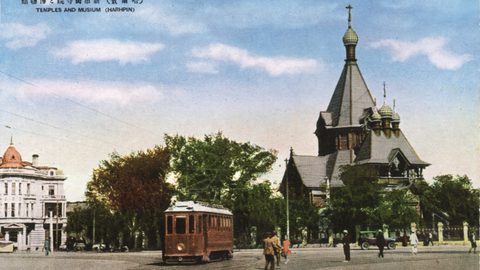
 Harbin Things to Do Beyond the Ice and Snow World
Harbin things to do in winter centre on the Ice and Snow World, Sun Island snow sculptures, Zhaolin Park lanterns, and Russian architecture along Zhongyang Street, each demanding a strategy for the cold.
Harbin Things to Do Beyond the Ice and Snow World
Harbin things to do in winter centre on the Ice and Snow World, Sun Island snow sculptures, Zhaolin Park lanterns, and Russian architecture along Zhongyang Street, each demanding a strategy for the cold.
-
 Harbin Best Time to Visit for Ice Festivals Without the Crush
The best time to visit Harbin is late December through late February for the ice festival, but avoid Chinese New Year week for crushing crowds and July through August for oppressive heat with no winter spectacle.
Harbin Best Time to Visit for Ice Festivals Without the Crush
The best time to visit Harbin is late December through late February for the ice festival, but avoid Chinese New Year week for crushing crowds and July through August for oppressive heat with no winter spectacle.
-
 Harbin Getting Around in Winter Without a Chinese Bank Card
Getting around Harbin in winter means relying on the heated metro, preparing for taxi meter refusals after dark, and knowing that Didi wait times can stretch past 30 minutes at minus-25°C.
Harbin Getting Around in Winter Without a Chinese Bank Card
Getting around Harbin in winter means relying on the heated metro, preparing for taxi meter refusals after dark, and knowing that Didi wait times can stretch past 30 minutes at minus-25°C.
-
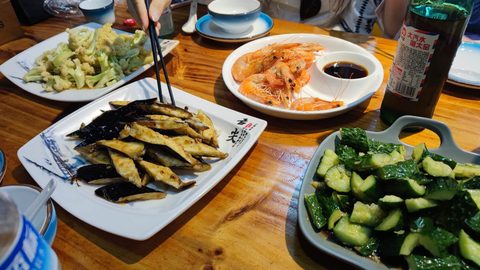 Harbin Food Worth Freezing For From Guo Bao Rou to Madier Ice Cream
Harbin food spans Russian-influenced smoked sausage and sourdough rye to Dongbei guo bao rou and the local ritual of eating Madier ice cream outdoors on Zhongyang Street at minus-20°C.
Harbin Food Worth Freezing For From Guo Bao Rou to Madier Ice Cream
Harbin food spans Russian-influenced smoked sausage and sourdough rye to Dongbei guo bao rou and the local ritual of eating Madier ice cream outdoors on Zhongyang Street at minus-20°C.
-
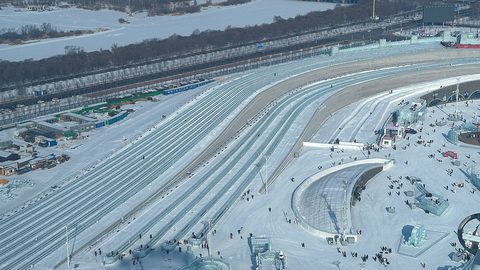 The Harbin Ice and Snow Festival
 spans three paid sites—Ice World, Sun Island, and Zhaolin Park—each with separate tickets, peak hours, and cold-weather demands.
The Harbin Ice and Snow Festival
The Harbin Ice and Snow Festival spans three paid sites—Ice World, Sun Island, and Zhaolin Park—each with separate tickets, peak hours, and cold-weather demands.
-
 Provincial China Beyond Beijing Shanghai Guangzhou and Xi’an
Provincial China rewards slow travellers with compressed continents of culture, cuisine, and landscape far beyond the standard megacity circuit.
Provincial China Beyond Beijing Shanghai Guangzhou and Xi’an
Provincial China rewards slow travellers with compressed continents of culture, cuisine, and landscape far beyond the standard megacity circuit.
-
 What to Wear in Harbin at Minus Thirty and What Breaks in the Deep Cold
Harbin at minus thirty demands a specific layering system, boots with toe room, and plans for phone battery death and camera lens fogging.
What to Wear in Harbin at Minus Thirty and What Breaks in the Deep Cold
Harbin at minus thirty demands a specific layering system, boots with toe room, and plans for phone battery death and camera lens fogging.
-
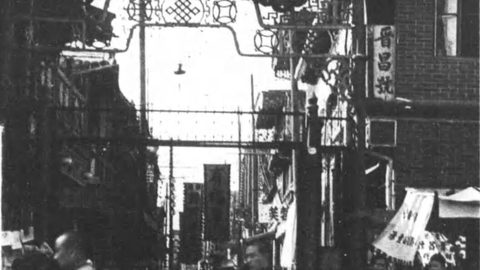 Harbin Russian Past Central Street Saint Sophia and the Railway Legacy
Harbin's Russian-built Central Street and Saint Sophia Cathedral are the surviving architecture of a city born from the Chinese Eastern Railway.
Harbin Russian Past Central Street Saint Sophia and the Railway Legacy
Harbin's Russian-built Central Street and Saint Sophia Cathedral are the surviving architecture of a city born from the Chinese Eastern Railway.
-
 Planning a Slow Travel Route Through Yunnan’s Lesser-Visited Villages
Plan a slower Yunnan journey through Dali, Shaxi, and Nuodeng, with realistic transport allowances, guesthouse advice, and respectful village visits.
Planning a Slow Travel Route Through Yunnan’s Lesser-Visited Villages
Plan a slower Yunnan journey through Dali, Shaxi, and Nuodeng, with realistic transport allowances, guesthouse advice, and respectful village visits.