Harbin Food: Guo Bao Rou, Smoked Sausage and the Winter Street-Stall Rituals
Harbin food spans Russian-influenced smoked sausage and sourdough rye to Dongbei guo bao rou and the local ritual of eating Madier ice cream outdoors on Zhongyang Street at minus-20°C.
Harbin Food Worth Freezing for from Guo Bao Rou to Madier Ice Cream
You have ninety minutes of warmth before the cold turns your extremities into stinging blocks of flesh. Every calorie you consume outdoors in Harbin has to be worth that limited window. The city's food logic operates at minus 20 degrees Celsius: dishes are either built to be eaten standing on Zhongyang Street with frozen fingers, or designed to keep you inside a heated restaurant for an hour while fermented cabbage and pork fat restore your core temperature. This guide separates the Russian legacy foods from the northeastern peasant cooking and tells you exactly where to find each one. The wrong choice leaves you cold and hungry. The full scope of what counts as Harbin food covers the absurd outdoor rituals and the serious indoor stews, and both require a deliberate plan.
Harbin Winter Street Food: the Minus 20 Degree Rituals
Street food in Harbin winter is not street food as you know it from Bangkok or Mexico City. There are no grills that keep your hands warm. The cold is the point. Two items define the category and they are consumed outdoors by choice.
Madier Ice Cream on Zhongyang Street
Madier ice cream is sold from uninsulated carts on Zhongyang Street at ambient temperatures between minus 15 and minus 35 degrees Celsius. Locals queue for it holding their children's hands. The ice cream does not melt. You unwrap the Madier binggun and it gives you the same sensation as any ice cream bar in July, except your lips freeze to the stick if you leave it there too long. The Modern Hotel at 89 Zhongyang Dajie has sold this recipe since 1906. A single stick cost 5 RMB in the 2024 season, 10 to 15 for larger sizes. Pay at the counter, step back onto the cobblestones, and eat it immediately. There is no indoor version. You either stand in the cold and eat it or you skip it.
Frozen Pears and Persimmons
Street stalls pile frozen pears and frozen persimmons directly on the ice. They look like misshapen rocks. Vendors drop them into a bucket of cold water and you wait until the outer layer thaws enough to bite through. Inside, the texture is a slushy sorbet. You eat them standing at the stall. The fruit is sold from December through February on Zhongyang Street and around the Laodaowai Chinese Baroque Streets. A frozen pear costs about 3 RMB. Do not try to bite one before it thaws. Your teeth will not win.
Smoked Sausage on a Stick
The same stalls sell Harbin smoked links speared on wooden sticks, held over tiny portable grills. This is Harbin hongchang, the smoked garlic seasoned pork and beef blend that originated with Russian settlers. Locals buy it from Qiulin Lidaosi deli counters to eat at home. The street stall version is a different product: smaller, cheaper, aggressively smoky. You hold the stick in your gloved hand and the meat stays warm for about four minutes at minus 20. Eat it before it freezes.


Guo Bao Rou Harbin: the Dish That Requires a Heated Room
If you are going to eat one indoor meal in Harbin, this is it. Guo Bao Rou is the city's signature sweet and sour pork, invented in 1907 at Daotai Fu by chef Zheng Xingwen. It is double fried, coated in potato starch, and sauced separately after the fryer. There is no ketchup in the sauce. That absence is what distinguishes it from every southern version of sweet and sour pork you have had. The pork loin slices stay crisp for the first three minutes after plating, then the moisture in the sauce softens them. You eat it inside a heated restaurant with ceramic tile floors and a table covered in wax paper. Do not order it from a street stall. The double fry requires equipment a cart cannot carry. Typical cost for a plate in a Daoli district restaurant is 48 to 68 RMB. Pair it with a bowl of suancai hotpot and a bottle of Harbin Beer.
Madier Ice Cream Zhongyang Street: the Ritual Explained
The Madier ice cream ritual is not tourism. It is a local habit that predates the ice festival by decades. On a January afternoon with a wind chill of minus 30, you will see office workers in dress shoes standing on the cobblestones eating these bars. The Modern Hotel at 89 Zhongyang Dajie is the original source. The 2024 price was 5 RMB for the basic stick. You do not sit down. You do not ask for a napkin. Unwrap, eat, and dispose of the wrapper in the bin near the hotel entrance. The whole thing takes under three minutes. The ice cream is a dense frozen custard, not an airy scoop, which is why it holds its shape in the cold. Do not store it in your coat pocket. It will not melt but your phone battery will.
Harbin Smoked Sausage: Russian Hongchang and Where to Buy it
Harbin smoked sausage is the city's most portable protein. The primary brand is Qiulin Lidaosi, founded in 1900, sold at their deli counter in Daoli district. The secondary brand is Shangzhi. Both produce a smoked product that is roughly 40 percent pork, 40 percent beef, and the rest fat and garlic. You buy it by weight. A typical portion for a snack costs 15 to 25 RMB. The Qiulin deli counter on the main pedestrian avenue has a queue year round, but in winter the queue is short because nobody wants to stand still. Buy a quarter kilo, hand over the cash, and eat it within ten minutes while walking. It is also sold precooked and wrapped at convenience stores, but the texture is worse. For the full version, you need the deli counter.
| Dish | Eaten Standing At Minus 20 | Where To Find It | Cost Approx (2024) |
|---|---|---|---|
| Madier Ice Cream | Yes | Modern Hotel, 89 Zhongyang Dajie | 5 15 RMB |
| Frozen Pears | Yes | Zhongyang Street, Laodaowai stalls | 3 5 RMB |
| Harbin Smoked Sausage Stick | Yes | Street stalls on Zhongyang Street | 10 15 RMB |
| Guo Bao Rou | No | Any Daoli district restaurant | 48 68 RMB |
| Dongbei Suancai Hotpot | No | Restaurants in Daoli and Daowai | 60 120 RMB |
| Sha Zhu Cai (Blood Sausage Stew) | No | Daowai home style restaurants | 40 60 RMB |
| Da Lie Ba (Rye Bread) | Both | Qiulin deli counter, eaten indoors | 15 25 RMB |
Laodaowai Street Snacks: the Daowai District Food Walk
Laodaowai Chinese Baroque Streets in Daowai district is where the Russian influence meets northeastern peasant cooking, and where you eat both within a hundred metres of each other. The streets are crumbling. The shopfronts date from the early twentieth century. Winter is the right time to walk them because the cold suppresses the cooking smell that clings to the buildings in summer.
Sha Zhu Cai and Dongbei Luan Dun
Sha Zhu Cai is a blood sausage and pickled cabbage stew that you eat inside a restaurant with a charcoal fired copper pot on the table. It is not pretty. It is a peasant dish designed for men who spent the morning hauling ice blocks off the Songhua River. The sourness of the fermented cabbage cuts the richness of the blood sausage. Order it at a Daowai restaurant called Old Harbin Flavour on Jingwei Street. It costs about 50 RMB and feeds two people. Dongbei luan dun, the northeastern stew of pork belly, potatoes, green beans, aubergine and vermicelli in a soy broth, is the other indoor option at the same restaurants.
Da Lie Ba and the Qiulin Counter
Da Lie Ba is the large round sourdough rye loaf that weighs roughly two kilograms. It is a Russian legacy food, dense and sour, sold at the Qiulin deli counter. Locals buy it to take home and slice for breakfast. You can eat it standing up but it is better inside, sliced, toasted, and slathered with butter. The full loaf costs about 25 RMB. Most visitors buy a quarter.
Barbecue and Beer
Laodaowai barbecue stalls close early in winter, around 9 PM, because the cold empties the streets. If you find one, order lamb skewers and a bottle of Harbin Beer, China's oldest brewery founded in 1900. The draft is fresher than the bottled version. Stand at a plastic table with the skewer in one hand and the bottle in the other. Your hands freeze. The beer stays cold. That is the point.
Who Harbin Food Suits and Who Should Eat in the Hotel
The food described here suits travellers who see the cold as part of the experience, not as an obstacle to work around. If you are willing to stand on Zhongyang Street at minus 25 with a frozen pear in one bare hand because your gloves are too thick to hold it, the outdoor rituals will reward you. You will understand why a city of nine million people chooses to eat ice cream in weather that kills phone batteries in four minutes.
This food does not suit travellers who need every meal to be a seated, comfortable event. It does not suit anyone who dislikes sour, fatty, or fermented flavours. The northeastern kitchen relies on suancai, pork fat, and rye sourdough. There is no fresh salad here in January. If your ideal winter meal is a bowl of pho in a steamy Hanoi cafe, eat at the international hotel restaurants in Daoli and skip the street stalls.
The single thing that goes wrong most often: visitors buy a whole Da Lie Ba loaf from Qiulin, expect it to taste like supermarket rye, and find that a two kilogram sourdough loaf is more bread than three people can eat in a week. Buy a quarter. Eat it with butter. Do not try to finish the rest.
Common Questions
What is Guo Bao Rou and where did it originate?
Guo Bao Rou is Harbin's signature sweet and sour pork, double fried with a potato starch coating and a sugar vinegar sauce that contains no ketchup. It was invented in 1907 at Daotai Fu in Harbin by chef Zheng Xingwen. You eat it in a restaurant, not on the street.
Can you eat Madier ice cream outdoors in winter?
Yes. That is the only way to eat it. Madier ice cream is sold from carts on Zhongyang Street at temperatures between minus 15 and minus 35 degrees Celsius. The Modern Hotel at 89 Zhongyang Dajie has sold it since 1906. Price was 5 to 15 RMB per stick in 2024.
What is Harbin smoked sausage made of?
Harbin hongchang is a smoked, garlic seasoned sausage made from a pork and beef blend. The primary brand is Qiulin Lidaosi, founded in 1900. It is sold at the Qiulin deli counter on Zhongyang Street.
Where is the best place to try Laodaowai street snacks?
Daowai district, specifically the Laodaowai Chinese Baroque Streets. Look for stalls selling frozen pears, smoked sausage on sticks, and restaurants serving sha zhu cai and Dongbei luan dun. Winter is the prime season.
What is the difference between Russian influenced foods and Dongbei peasant dishes?
Russian influenced foods include Harbin hongchang (smoked sausage), Dalieba (rye bread), and Madier ice cream. Dongbei peasant dishes include Guo Bao Rou, sha zhu cai (blood sausage and pickled cabbage stew), Dongbei luan dun (mixed stew), and dumplings filled with pork and suancai.
How much does Madier ice cream cost?
The 2024 price was 5 to 15 RMB per stick. The price changes annually. The Modern Hotel publishes the current rate. Do not rely on any figure published before the current season.
What do Harbin locals actually eat outdoors in winter?
Madier ice cream, frozen pears and persimmons thawed in cold water, and smoked sausage on a stick from street stalls. These are the core outdoor eating rituals. Everything else is eaten inside a heated restaurant.
Read next
-
 Harbin Where to Stay for the Ice Festival and Winter Cold
Where to stay in Harbin during winter comes down to heating reliability, distance from the ice sites, and whether you want walkable Zhongyang Street or quick access to Ice and Snow World in Songbei.
Harbin Where to Stay for the Ice Festival and Winter Cold
Where to stay in Harbin during winter comes down to heating reliability, distance from the ice sites, and whether you want walkable Zhongyang Street or quick access to Ice and Snow World in Songbei.
-
 Harbin Things to Do Beyond the Ice and Snow World
Harbin things to do in winter centre on the Ice and Snow World, Sun Island snow sculptures, Zhaolin Park lanterns, and Russian architecture along Zhongyang Street, each demanding a strategy for the cold.
Harbin Things to Do Beyond the Ice and Snow World
Harbin things to do in winter centre on the Ice and Snow World, Sun Island snow sculptures, Zhaolin Park lanterns, and Russian architecture along Zhongyang Street, each demanding a strategy for the cold.
-
 Harbin Best Time to Visit for Ice Festivals Without the Crush
The best time to visit Harbin is late December through late February for the ice festival, but avoid Chinese New Year week for crushing crowds and July through August for oppressive heat with no winter spectacle.
Harbin Best Time to Visit for Ice Festivals Without the Crush
The best time to visit Harbin is late December through late February for the ice festival, but avoid Chinese New Year week for crushing crowds and July through August for oppressive heat with no winter spectacle.
-
 Harbin Getting Around in Winter Without a Chinese Bank Card
Getting around Harbin in winter means relying on the heated metro, preparing for taxi meter refusals after dark, and knowing that Didi wait times can stretch past 30 minutes at minus-25°C.
Harbin Getting Around in Winter Without a Chinese Bank Card
Getting around Harbin in winter means relying on the heated metro, preparing for taxi meter refusals after dark, and knowing that Didi wait times can stretch past 30 minutes at minus-25°C.
-
 The Harbin Ice and Snow Festival
 spans three paid sites—Ice World, Sun Island, and Zhaolin Park—each with separate tickets, peak hours, and cold-weather demands.
The Harbin Ice and Snow Festival
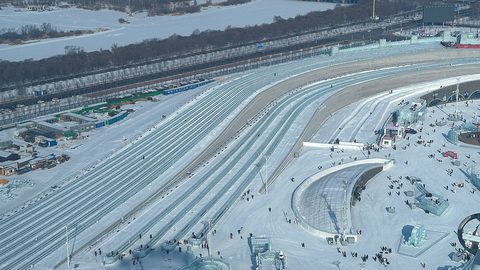
The Harbin Ice and Snow Festival spans three paid sites—Ice World, Sun Island, and Zhaolin Park—each with separate tickets, peak hours, and cold-weather demands.
-
 Provincial China Beyond Beijing Shanghai Guangzhou and Xi’an
Provincial China rewards slow travellers with compressed continents of culture, cuisine, and landscape far beyond the standard megacity circuit.
Provincial China Beyond Beijing Shanghai Guangzhou and Xi’an
Provincial China rewards slow travellers with compressed continents of culture, cuisine, and landscape far beyond the standard megacity circuit.
-
 What to Wear in Harbin at Minus Thirty and What Breaks in the Deep Cold
Harbin at minus thirty demands a specific layering system, boots with toe room, and plans for phone battery death and camera lens fogging.
What to Wear in Harbin at Minus Thirty and What Breaks in the Deep Cold
Harbin at minus thirty demands a specific layering system, boots with toe room, and plans for phone battery death and camera lens fogging.
-
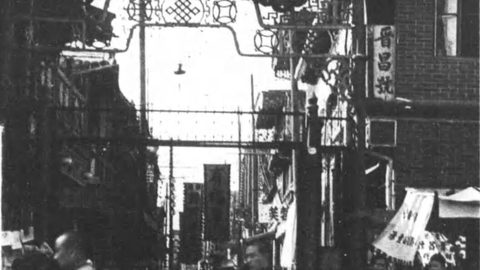 Harbin Russian Past Central Street Saint Sophia and the Railway Legacy
Harbin's Russian-built Central Street and Saint Sophia Cathedral are the surviving architecture of a city born from the Chinese Eastern Railway.
Harbin Russian Past Central Street Saint Sophia and the Railway Legacy
Harbin's Russian-built Central Street and Saint Sophia Cathedral are the surviving architecture of a city born from the Chinese Eastern Railway.
-
 Planning a Slow Travel Route Through Yunnan’s Lesser-Visited Villages
Plan a slower Yunnan journey through Dali, Shaxi, and Nuodeng, with realistic transport allowances, guesthouse advice, and respectful village visits.
Planning a Slow Travel Route Through Yunnan’s Lesser-Visited Villages
Plan a slower Yunnan journey through Dali, Shaxi, and Nuodeng, with realistic transport allowances, guesthouse advice, and respectful village visits.