Tengchong Geothermal Pools Volcanic Craters and Heshun History
Tengchong layers geothermal hot springs, volcanic craters, Heshun's stone-lane heritage, and the sobering Burma Road history into one Yunnan frontier stop.

Tengchong Geothermal Pools Volcanic Craters and Heshun History
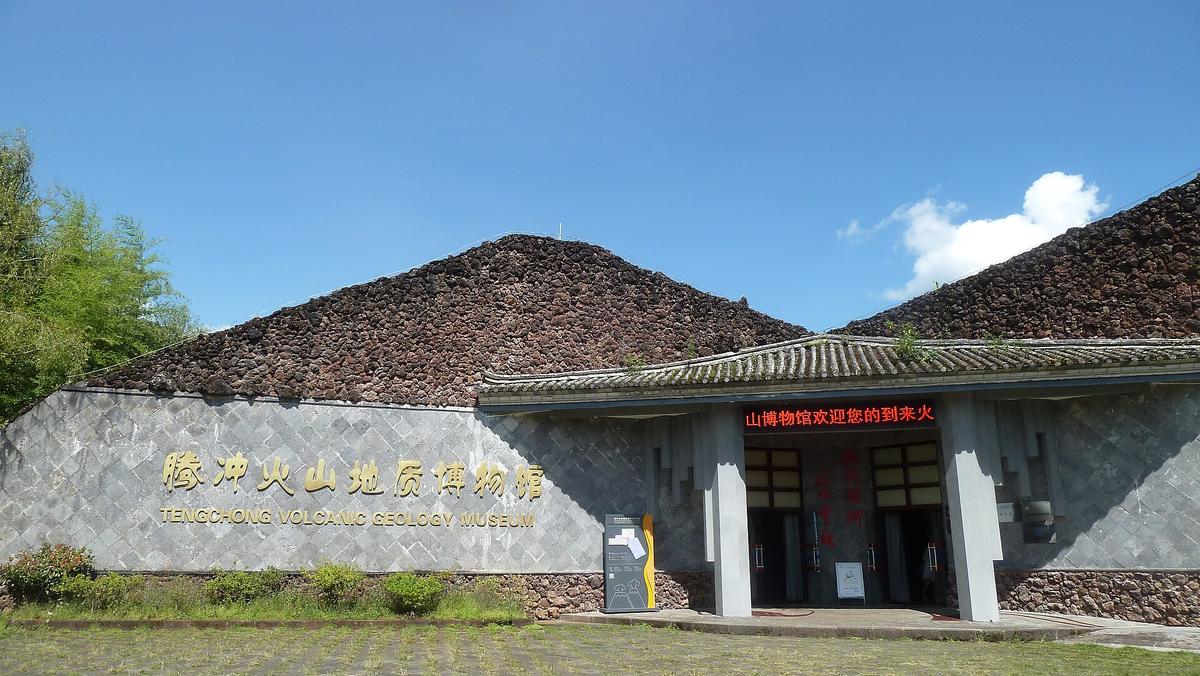
At 8:30 AM the steam rising from the Dagunguo spring hits 96.6 °C, and the only sounds are the hiss of superheated groundwater and a farmer slapping flatbread on a stone. Ten metres away, tourists in flip-flops dip their hands into a free stream to test the temperature. This is Tengchong, a city that most Yunnan itineraries reduce to a single line about hot springs. It actually holds three distinct experiences that explain why it feels nothing like Dali or Lijiang.
You are here because you want a complete Tengchong visit. That means morning at the Rehai geothermal area, afternoon walking the stone lanes of Heshun old town, and an hour to understand the sobering Republican-era history that gives this frontier town its character. The hot springs are the headline. They are not the story.
Rehai Geothermal Area in the Morning
Drive 11 km southwest from Tengchong city to reach Rehai, a 9 km² field of more than 80 hot spring clusters. The entrance fee is 50 CNY (2024 rate, set by the scenic area authority). Arrive by 08:30. The tour groups roll in from 10:00.
What To See In The Open Area
The main attraction is Dagunguo, the Big Boiling Pot. It is a turquoise pool that hits 96.6 °C at its centre, with a pH around 8. You cannot miss it; just follow the steam. Walk the plank paths that cross the valley to see smaller vents and springs. Budget 90 minutes for this loop.
Bathing Options
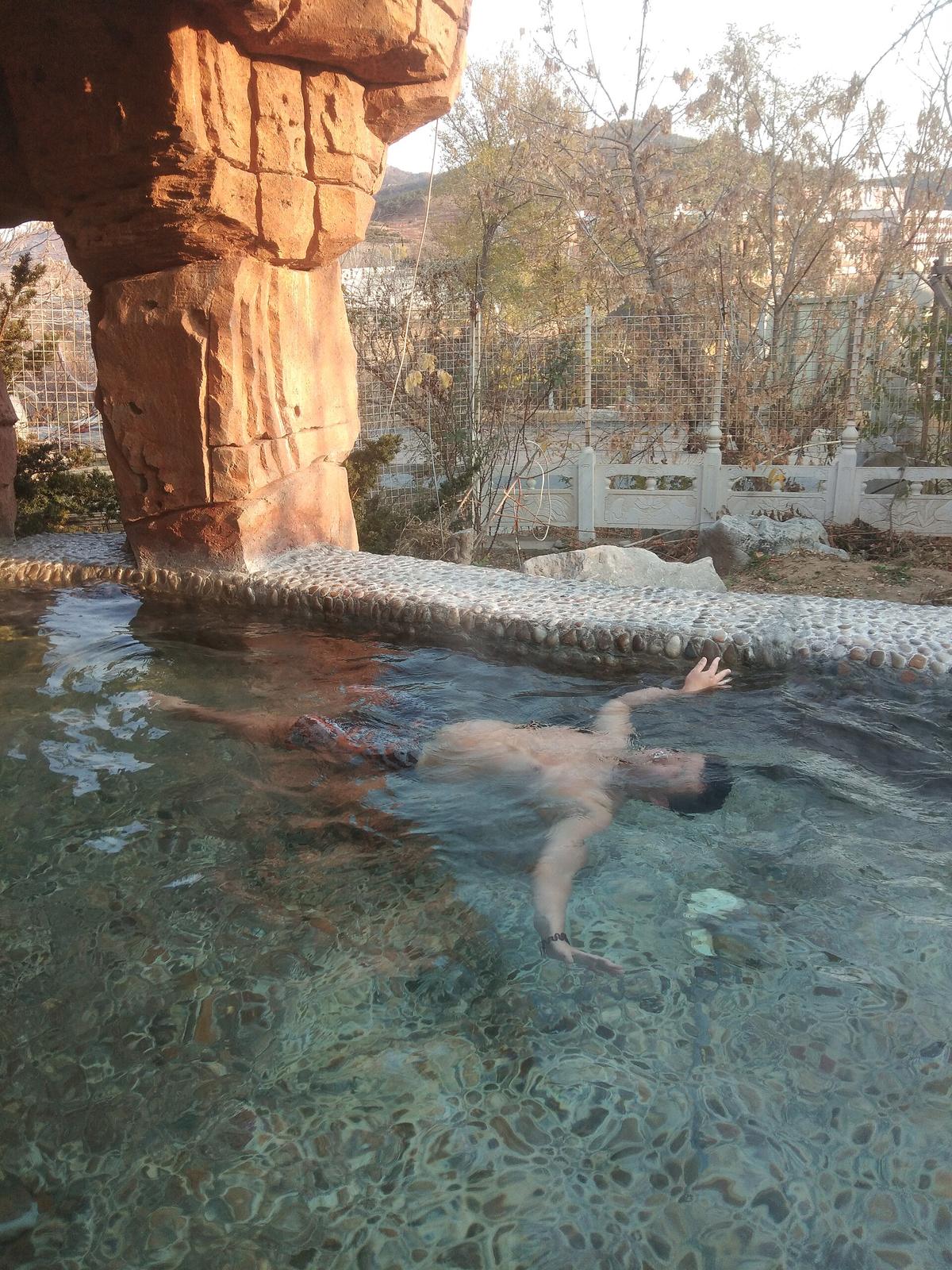
The Rehai Hot Spring Resort charges 288 CNY (2024 rate) for access to multiple pools plus a buffet meal. The Angsana Tengchong Hot Spring Village charges 198 CNY (2024 rate) for a similar facility. Both are clean and well-run. Neither is necessary if you just want to see the geology.
For a free public soak, head to the Cucumber Qing (Huangguanqing) area. Locals bathe in concrete pools fed by the overflow from the commercial springs. No frills, no changing rooms, and the water is still hot enough to scramble eggs. Go with a local friend or a guide who knows the spot.
The Volcanoes You Can Climb
Tengchong sits on a Cenozoic volcanic field with 97 volcanoes, around 20 of which have preserved cones. Four are climbable: Dayingshan (the highest at 2,765 m), Maanshan, Heikongshan, and Laoguipo.
Which Crater To Choose
Heikongshan (2,072 m) is the most accessible. Its crater drops roughly 100 m deep, and the entrance fee is 35 CNY (2024 rate). The climb takes about 45 minutes. Dayingshan is steeper and higher. Its last eruption date is approximately 1609 CE. Maanshan also last erupted around 1609 CE. Heikongshan last erupted around 3600 BCE.
All four cones are within a 30-minute drive from Tengchong city. You need a private driver or a rented car. No public buses serve the cones. Budget 2 to 3 hours for a round trip including the hike.
Heshun Old Town Afternoon Walk
Heshun is 4 km southwest of Tengchong city, founded in the Ming dynasty (1368, 1644). The entrance fee is 55 CNY (2024 rate). You need 2.5 hours to see the key sites without rushing.
What To Prioritise
The Heshun Library, founded in 1928, holds more than 70,000 volumes. It was built by overseas Chinese who returned from Southeast Asia with money and ideas, and it looks like a colonial reading room dropped into a Yunnan valley. Walk through it in 20 minutes.
The Wanlouzi Museum covers overseas Chinese history, which is the backbone of Heshun's wealth. The Laundry Pavilion (Xiyi Ting) is a covered wash station on a stream, still used by locals. The Ai Siqi Memorial Hall honours the Marxist philosopher born Li Shengxuan in 1910, a local who became Mao's philosophy teacher. The Caishen Temple, Zhongtian Temple, and Yuanlong Pavilion round out the walk.
Skip the souvenir stalls. They are identical to Dali's. Focus on the stone lanes and the houses. Heshun is more intact than Dali's old town because it was poorer in the 1990s and missed the worst of the renovation boom.

The Republican Era History You Cannot Miss
Tengchong was a front line in the Burma Road campaign. The Yunnan-Burma Road stretched 1,154 km and was built in 1937-1938. Tengchong's segment was the Stilwell Road.
The National Cemetery of the Fallen (Guoshang Muyuan), established in 1945, holds over 3,000 graves. It is free to enter. Allow 45 minutes. The Western Yunnan War of Resistance Memorial Hall, also free, sits next to the cemetery. The Laifengshan battlefield site is a short drive from the city.
This history is why Tengchong feels different from Dali or Lijiang. Those towns were merchant stops. Tengchong was a contested frontier, a place where Republican-era ambitions met a brutal geography. The gravestones list names and ranks from the National Revolutionary Army, not tourist placards.
Getting There and When to Go
Fly into Tengchong Tuofeng Airport (TCZ), elevation 1,887 m, 10 km south of the city. The alternative is Baoshan Yunrui Airport (BSD), roughly 140 km away, then 2.5 hours by bus on the G56 and S10 expressways for about 60 CNY.
October gives clear skies for volcano photography. Avoid Chinese National Day (1-7 October) and Labour Day (1-5 May). Accommodation triples and roads become parking lots. The summer rainy season (July-August) brings landslide risk on the mountain roads. Minimum stay for Tengchong alone is 2 days: one for the volcanoes and Rehai, one for Heshun and the cemetery.
Read next
-

 Yunnan Hotels Chains Courtyards and the Foreigner Registration Rule
Hotels in Yunnan range from international chains to courtyard guesthouses, but the foreigner registration rule determines where you can actually sleep—here is what to book.
Yunnan Hotels Chains Courtyards and the Foreigner Registration Rule
Hotels in Yunnan range from international chains to courtyard guesthouses, but the foreigner registration rule determines where you can actually sleep—here is what to book.
-
 Where to Stay in Yunnan Town by Town Base Guide
Where to stay in Yunnan, from Kunming to Shangri-La: neighbourhood-by-neighbourhood advice on old town courtyards, Erhai lake villages, and altitude-conscious bases.
Where to Stay in Yunnan Town by Town Base Guide
Where to stay in Yunnan, from Kunming to Shangri-La: neighbourhood-by-neighbourhood advice on old town courtyards, Erhai lake villages, and altitude-conscious bases.
-
 Flying Into Yunnan Kunming Lijiang Dali and Shangri-La Airports Compared
Choosing between Kunming, Lijiang, Dali, and Shangri-La airports shapes your entire Yunnan route—here's how each gateway affects transit time, altitude, and cost.
Flying Into Yunnan Kunming Lijiang Dali and Shangri-La Airports Compared
Choosing between Kunming, Lijiang, Dali, and Shangri-La airports shapes your entire Yunnan route—here's how each gateway affects transit time, altitude, and cost.
-
 What Yunnan Is For Mountains Old Towns and Minority Culture
Yunnan is for high-altitude treks, living old towns like Shaxi, minority markets, winter rice terraces at Yuanyang, and going deep on Pu'er tea at the source.
What Yunnan Is For Mountains Old Towns and Minority Culture
Yunnan is for high-altitude treks, living old towns like Shaxi, minority markets, winter rice terraces at Yuanyang, and going deep on Pu'er tea at the source.
-
 Yunnan Weather Seasons and the Best Time to Visit Without the Crowds
Yunnan spans tropical lowlands and Himalayan peaks, so the best time to visit depends entirely on which region you're targeting and whether you can stomach the October crowds.
Yunnan Weather Seasons and the Best Time to Visit Without the Crowds
Yunnan spans tropical lowlands and Himalayan peaks, so the best time to visit depends entirely on which region you're targeting and whether you can stomach the October crowds.
-
 Getting Around Yunnan Rail Bus and the Mountain Road Reality
Getting around Yunnan means high-speed rail between Kunming, Dali, and Lijiang, then long-distance buses and shared minivans into the mountains—and 200 km takes 5 hours.
Getting Around Yunnan Rail Bus and the Mountain Road Reality
Getting around Yunnan means high-speed rail between Kunming, Dali, and Lijiang, then long-distance buses and shared minivans into the mountains—and 200 km takes 5 hours.
-
 Jianshui
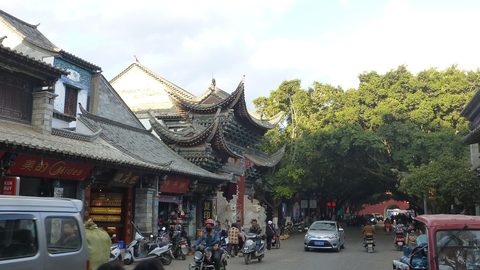
 has a Ming dynasty seventeen-arch bridge, one of China's largest Confucian temples, and tofu grilled on street corners—and almost every Yunnan itinerary skips it.
Jianshui
Jianshui has a Ming dynasty seventeen-arch bridge, one of China's largest Confucian temples, and tofu grilled on street corners—and almost every Yunnan itinerary skips it.
-
 Gejiu
The Yuanyang rice terraces only become the mirror-like spectacle of photographs from November to March—here is how to time the water season and hit the right viewpoints at sunrise and sunset.
Gejiu
The Yuanyang rice terraces only become the mirror-like spectacle of photographs from November to March—here is how to time the water season and hit the right viewpoints at sunrise and sunset.
-
 Baoshan
 unlocks Yunnan's wild western edge: the Gaoligong mountains, Tengchong's volcanic hot springs, and the ghosts of the Burma Road. A frontier for second-time visitors.
Baoshan
Baoshan unlocks Yunnan's wild western edge: the Gaoligong mountains, Tengchong's volcanic hot springs, and the ghosts of the Burma Road. A frontier for second-time visitors.