Harbin Ice Festival With Small Children What Works and What Melts Down
A practical guide to Harbin Ice Festival With Small Children What Works and What Melts Down.
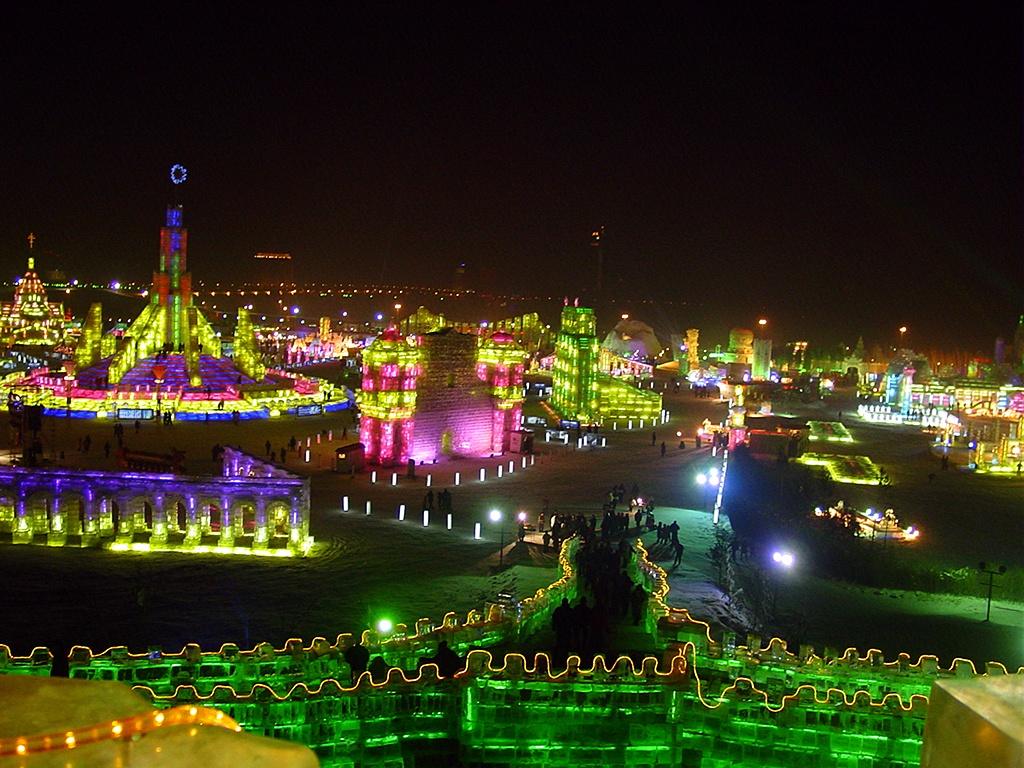

What Stays Magical and What Melts Down at Harbin Ice and Snow World With a Toddler
Taking a small child to one of the world's largest winter festivals sounds either brave or unwise, depending on whom you ask. The reality sits somewhere in between. Harbin Ice and Snow World is not designed around the needs of toddlers, but that does not mean a visit with a young child is impossible. It means the experience rewards parents who plan around a few hard constraints and accept that some of the park's most famous attractions will remain off-limits.
The core tension is straightforward. The park is built from ice and snow, the ground is frozen, and the air temperature can drop to minus 30 degrees Celsius or lower with wind chill. A small child has a shorter tolerance for cold, a smaller body mass to retain heat, and a natural urge to touch surfaces that sting bare skin. The visit works best when you treat it as a series of short outdoor explorations punctuated by long indoor warm-up breaks, rather than a marathon tour of every sculpture.
Which Tickets a Young Child Actually Needs
Children aged six or under, or those measuring 1.2 metres or below in height, enter the outdoor Ice and Snow World free of charge. They do not need a reservation, but they must be accompanied by an adult who holds a paid ticket. This policy is clear and was in effect during the 27th edition of the festival.
Once a child passes either that age or height threshold, the situation shifts. The park offers a concession ticket for children over six or over 1.2 metres tall. The official ticketing policy names a Chinese ID card or household register as the required document to prove eligibility. It does not explicitly state whether a foreign passport is accepted for the concession at the gate. This gap matters for international families. The park operator does not publish a definitive answer online, and the policy may vary by season. Before travelling, contact the park hotline or check the official ticketing site to confirm what identification a non-Chinese child needs to qualify for the concession rate. Do not assume a passport will be treated the same as a Chinese ID.
Ticket prices for the upcoming season are not announced far in advance. In the two most recent seasons, the park confirmed its opening date and ticket prices only days before opening, typically in the second half of December. The official WeChat account and website are the places to watch.
The Attractions a Small Child Can and Cannot Do
The park's signature thrill ride, the Super Ice Slide, is not an option for young children. It has a strict minimum age of 15 years and a minimum height of 1.6 metres. This is a firm rule, not a guideline, and it eliminates the slide for any toddler or primary-school child. The Snowflake Ferris Wheel is more accommodating. Children are permitted, but those under 1.3 metres must ride with an adult. Both the Ferris wheel and the Super Ice Slide require an on-site reservation made via a QR code after entering the park.
What remains for a small child are the smaller ice slides scattered across the grounds. These have no published age or height restrictions and are described as suitable for children. They offer a scaled-down version of the sliding experience without the long drop or the queue-reservation system. For a toddler, these smaller slides are likely to be the highlight of the visit, and they come without the disappointment of being turned away at the entrance.
Managing the Cold With a Small Body
Harbin's January climate is severe. The long-term average high is minus 11.8 degrees Celsius and the average low is minus 22.4 degrees. At night, inside the ice park, temperatures can fall to minus 30 degrees or lower once wind chill is factored in. A toddler's comfort and safety depend entirely on clothing choices made before leaving the hotel.
The Heilongjiang Provincial Department of Culture and Tourism recommends a specific three-layer system for children. The base layer should be quick-dry fabric, not cotton. The mid-layer should be fleece or light down. The outer layer should be a thick, windproof down jacket. Snow boots, thick gloves, a scarf and a hat are all listed as essential. The same official guidance also advises carrying spare underwear and socks for children. This is practical advice, not just precaution. A child who sweats during an indoor break and then goes back outside in damp clothing will get cold quickly.
There is no published guidance on how long a toddler can safely stay outside at these temperatures. That decision rests with the parent. The park does provide a resource that makes it easier to take frequent breaks.
The Indoor Warm Fort and Other Heated Refuges
The outdoor park contains a heated indoor rest area called the Ice and Snow Warm Fort. It covers 5,000 square metres, has seating for more than 100 people, and provides free hot drinking water to all visitors. This space is open to anyone with a park ticket and does not require a separate reservation or fee. For a family with a young child, the Warm Fort changes the arithmetic of a visit. It means you can plan a route that loops back to a heated space at regular intervals, warm up, change a layer, and head out again.
Beyond the outdoor park, there is a year-round indoor venue called the Dream Ice and Snow Hall located inside the park grounds. It spans 23,800 square metres and requires a separate ticket. Children aged six or under, or 1.2 metres or under in height, enter free with a paying adult. This indoor hall offers an ice and snow experience in a climate-controlled environment, which removes the cold-weather variable entirely. For a toddler who is struggling with the outdoor temperatures, or for a family that wants a longer ice-focused activity without the wind chill, the indoor hall is a logical backup plan. The trade-off is the extra ticket cost for adults and the fact that it is a different experience from the sprawling outdoor sculpture park.
Strollers, Surfaces and Getting There
The park's official FAQ states that strollers are usually allowed but warns that the ground is outdoor ice and snow. The advice is to watch your step and consult on-site staff for accessibility assistance. This is not a ban, but it is a clear signal that pushing a stroller across frozen, uneven surfaces will be slow and physically demanding. A baby carrier or a sled designed for pulling a child may be more practical, though the park does not publish guidance on either option.
Reaching the park by public transport is straightforward. Harbin Metro Line 2 has a station named Ice and Snow World. Exits 3 and 4 are closest to the park entrance, and the station connects directly to the ticket hall. This removes the need for a long outdoor walk from a car park or bus stop, which is a meaningful advantage when carrying a tired child. Metro operating hours and last-train times can shift during the festival period. Check the Harbin Metro official app or station notices on the day of your visit to avoid being stranded without a train at closing time.
A Realistic Half-Day Plan With a Toddler
A full evening at the outdoor park is probably too ambitious with a child under four. A more realistic approach is to arrive in the late afternoon, see the sculptures in daylight, take a first warm-up break, go out again after dark when the ice is lit, and leave before the child becomes overtired and cold. The Warm Fort makes this rhythm possible. The smaller ice slides give the child something active to do. The Ferris wheel offers a contained, seated experience with a view, provided you secure a reservation slot.
The indoor Dream Ice and Snow Hall can serve as either a backup for a night when the outdoor cold is too much or as a standalone morning activity before an afternoon rest at the hotel. Because it operates year-round and is climate-controlled, it removes the time pressure of a seasonal outdoor park that may close early in a warm spell, as happened in February 2026 when the 27th edition shut ahead of schedule due to melting sculptures.
The festival does not publish a minimum recommended age for children. The decision to bring a toddler comes down to whether you are willing to build the visit around the child's limits rather than the park's full programme. The infrastructure to support that choice exists. The heated rest area, the free entry for the youngest children, the indoor alternative venue and the direct metro connection all make a visit with a small child more feasible than the temperature alone would suggest. What the park does not provide is flexibility on its strictest rules. The Super Ice Slide will still say no to a ten-year-old, and the ticket gate may still ask for documentation you do not have. Those are the points where preparation matters most.
Sources and verification
- wlt.hlj.gov.cn — Research source checked for this guide
- china-guidebook.com — Research source checked for this guide
- travelchinaguide.com — Research source checked for this guide
- eastchinatrip.com — Research source checked for this guide
- hrbtv.net — Research source checked for this guide
- harbiniceandsnowworld.com — Research source checked for this guide
Read next
-
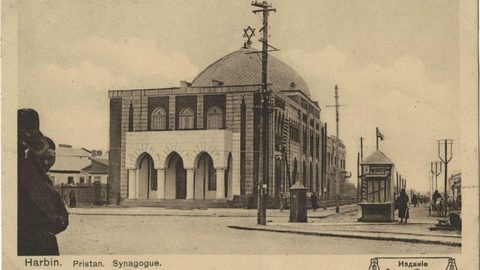
 Harbin Where to Stay for the Ice Festival and Winter Cold
Where to stay in Harbin during winter comes down to heating reliability, distance from the ice sites, and whether you want walkable Zhongyang Street or quick access to Ice and Snow World in Songbei.
-
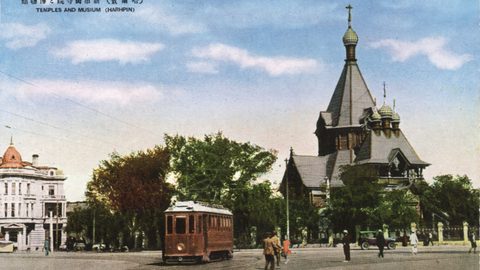 Harbin Things to Do Beyond the Ice and Snow World
Harbin things to do in winter centre on the Ice and Snow World, Sun Island snow sculptures, Zhaolin Park lanterns, and Russian architecture along Zhongyang Street, each demanding a strategy for the cold.
-
 Harbin Best Time to Visit for Ice Festivals Without the Crush
The best time to visit Harbin is late December through late February for the ice festival, but avoid Chinese New Year week for crushing crowds and July through August for oppressive heat with no winter spectacle.
-
 Harbin Getting Around in Winter Without a Chinese Bank Card
Getting around Harbin in winter means relying on the heated metro, preparing for taxi meter refusals after dark, and knowing that Didi wait times can stretch past 30 minutes at minus-25°C.
-
 Harbin Food Worth Freezing For From Guo Bao Rou to Madier Ice Cream
Harbin food spans Russian-influenced smoked sausage and sourdough rye to Dongbei guo bao rou and the local ritual of eating Madier ice cream outdoors on Zhongyang Street at minus-20°C.
-
 The Harbin Ice and Snow Festival
 spans three paid sites—Ice World, Sun Island, and Zhaolin Park—each with separate tickets, peak hours, and cold-weather demands.
-
 Provincial China Beyond Beijing Shanghai Guangzhou and Xi’an
Provincial China rewards slow travellers with compressed continents of culture, cuisine, and landscape far beyond the standard megacity circuit.
-
 Guizhou Village Travel by Public Transport A Practical Loop
A practical guide to Guizhou Village Travel by Public Transport A Practical Loop.
-
 Yunnan in Winter A Route Built Around Clear Weather and Altitude
A practical guide to Yunnan in Winter A Route Built Around Clear Weather and Altitude.