Yunnan Tea Mountains Road Trip From Pu'er to the Jingmai Ancient Forests
A practical guide to Yunnan Tea Mountains Road Trip From Pu'er to the Jingmai Ancient Forests.
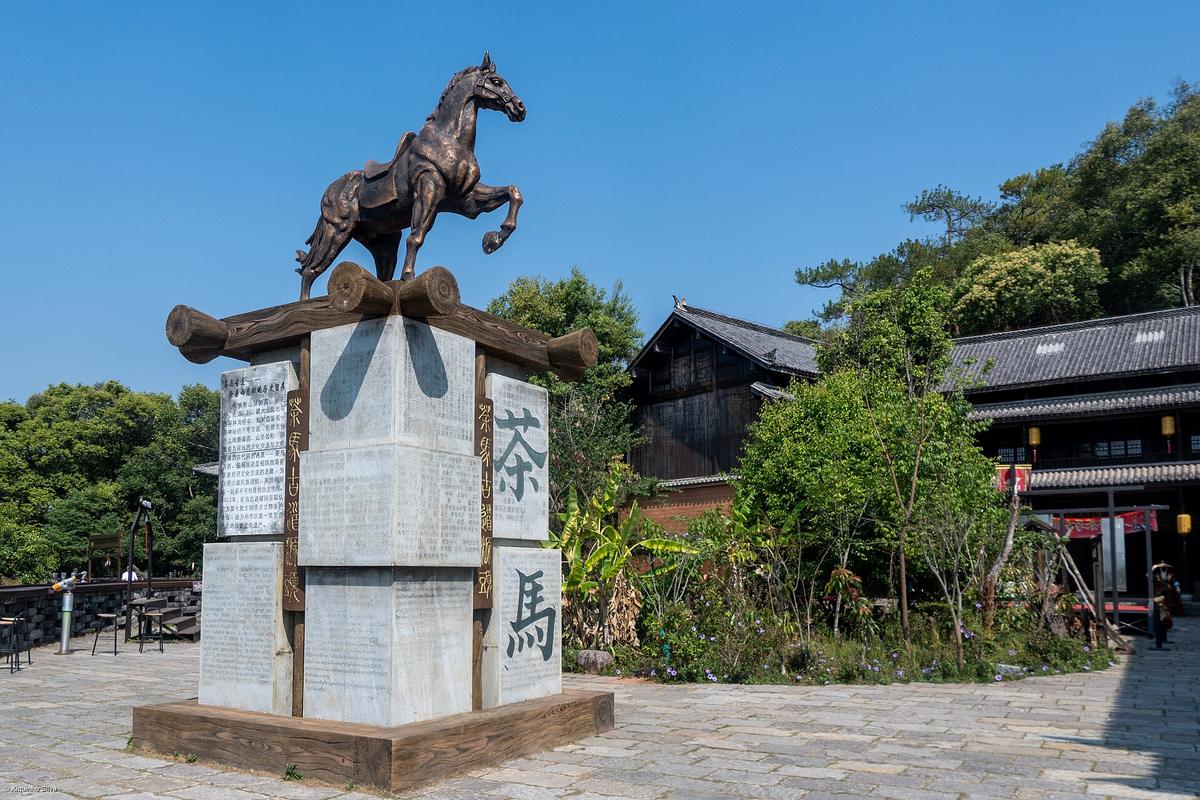

Planning the Drive from Pu’er to Jingmai Mountain
A road trip from Pu'er to the Jingmai Mountain ancient tea forests is a journey into one of Yunnan's most distinctive cultural landscapes. The route works for a self-drive or a hired car with a local driver, and it rewards travellers who plan the logistics before leaving the city. The destination is not a single viewpoint but a cluster of villages, tea gardens, and forest trails spread across a mountain area in Lancang Lahu Autonomous County.
The drive from central Pu'er, also known as Simao, covers roughly 237 to 250 kilometres. Expect a driving time of about four to five hours, depending on stops and road conditions. That makes the trip feasible as a long day of travel, but most visitors will want at least one or two nights on the mountain to explore the villages and tea forests at a slower pace.
Before setting out, there is one essential step. Since 1 October 2025, all visiting vehicles entering the Jingmai Mountain heritage area must register in advance through the official Jingmai Mountain Reservation Service WeChat mini-programme. Entry itself is free, but the vehicle registration is mandatory. The single entry checkpoint is at Jingmai Bridge. Foreign visitors holding passports who cannot use the WeChat mini-programme may register in person at the entrance service point with a valid travel document. Guesthouses on the mountain can also arrange vehicle registration for their guests. Because access policies can shift, it is wise to confirm the current reservation process with the Pu'er Jingmai Mountain Ancient Tea Forest Protection Administration before departure.
Choosing Your Starting Point
Most road trips begin in Pu'er city, but travellers arriving from further afield have a few options. The closest airport to Jingmai Mountain is Lancang Jingmai Airport, about 95 kilometres from the heritage villages, with a driving time of roughly two to two and a half hours. Pu'er Simao Airport is about 250 kilometres away, which places it at a similar distance to central Pu'er itself.
For those coming from Kunming, high-speed trains run from Kunming Station or Kunming South Station to Pu'er Station on the China-Laos Railway. The fastest journey takes approximately two hours and twenty-two minutes, and there are around forty daily departures. Train schedules and ticket prices are subject to seasonal adjustment, so check China Railway's official platform for current times before committing to a connection.
If you are hiring a car, Pu'er is the more common base. If you are flying directly toward the mountain, Lancang Jingmai Airport shortens the road journey considerably. The tradeoff is that flight schedules to Lancang are less frequent than train services to Pu'er, so the best choice depends on your overall itinerary and how much time you want to spend on the road.
The Mountain Road and Village Sequence
The main mountain road connects Huimin Town to Jingmai Main Village, then continues to Nuogan, Wengji, Mangjing, and Manghong. The section from Huimin to Jingmai Dazhai was freshly paved with asphalt in early 2026. The final stretch into the core heritage villages is a preserved cobblestone surface, which slows the drive and gives the approach a more traditional character.
There are no fuel stations inside the Jingmai Mountain heritage area. Drivers must refuel in Huimin Town before ascending the mountain. This is a hard constraint, not a matter of preference. A hired car should be delivered with a full tank, but it is still worth confirming with the driver or rental company before leaving Huimin.
Road conditions can change, especially on cobblestone sections and during the rainy season from May to October. Weather, landslides, or maintenance can alter the drive. Check with Lancang County transport authorities or the Huimin Town government for current conditions before departure, particularly if you are travelling outside the dry season.
Walking the Dapingzhang Ancient Tea Forest
The Dapingzhang Ancient Tea Forest is the only ancient tea forest within the heritage area officially open to visitors. It is free to enter and open all day. A recommended walking time of two to three hours along designated trails gives enough space to move through the forest without rushing.
This is the core experience for many travellers. The trails pass through old tea trees and forest undergrowth, and the walk is more about atmosphere than a single dramatic viewpoint. Because it is the only officially open ancient tea forest, it can serve as the anchor for a day on the mountain. Pairing the walk with visits to nearby villages makes for a full but unhurried itinerary.
There is no need to book a guide for the Dapingzhang trails, though local guesthouses can often arrange tea experiences or village walks. Pricing and availability for those extras vary by season, so confirm directly with your accommodation or a local operator before arrival.
The Bee King Tree and Vehicle Restrictions
As of 1 September 2026, the road to the Bee King Tree near Mangjing Upper Village is closed to all motor vehicles. Visitors must walk or use a designated electric shuttle from a parking area on the main road. This is a recent change and reflects the management authority's broader signal that access policies may shift toward a mandatory shuttle-bus system in the future.
For road trippers, this means the Bee King Tree is no longer a drive-up stop. The walk or shuttle adds time, but it also reduces traffic on a narrow mountain road. If you are short on time, prioritise the Dapingzhang Ancient Tea Forest and the main villages, and treat the Bee King Tree as an optional addition.
Because vehicle access rules are mutable, verify the current status of the Bee King Tree road and any new shuttle requirements before travel. The Pu'er Jingmai Mountain Ancient Tea Forest Protection Administration is the responsible authority, and its official WeChat account or the reservation mini-programme is the most direct place to check.
Timing the Trip
The best season for a road trip to Jingmai Mountain is November to April, during the dry season. Roads are more stable, and sea-of-cloud views are most frequent in these months. March and April coincide with the spring tea harvest, which adds a layer of activity in the villages and tea gardens.
The rainy season from May to October brings a higher risk of road disruption. The cobblestone sections can become slick, and landslides or maintenance work may close parts of the route. That does not make the trip impossible, but it does require more flexible planning and a willingness to adjust the itinerary on short notice.
If your main interest is tea culture, the spring harvest is the most vivid time to visit. If your main interest is quiet roads and clear mountain views, the earlier dry-season months of November to February may be a better fit. Both choices are reasonable; the tradeoff is between harvest-season energy and off-peak calm.
Practical Advice for the Drive
A self-drive trip to Jingmai Mountain is manageable for a confident driver, but a hired car with a local driver removes the stress of mountain roads and the vehicle registration process. The driver will know the route, the checkpoint, and the refuelling stop in Huimin Town. If you do drive yourself, complete the vehicle reservation before arriving at Jingmai Bridge, and do not assume you can refuel anywhere on the mountain.
Accommodation on the mountain ranges from simple guesthouses in the heritage villages to a few more established options. Availability varies by season, and tea-experience pricing is not standardised. Book directly with guesthouses and confirm whether they can help with vehicle registration if you are a foreign visitor.
The Jingmai Mountain heritage area was inscribed on the UNESCO World Heritage List on 17 September 2023, making it the world's first tea-themed World Heritage site. That status has brought more visitors and more management attention. The reservation system and the Bee King Tree vehicle closure are both signs that access is being actively managed. Travellers who check the current rules before departure will have a smoother trip than those who assume the mountain works like an ordinary scenic area.
Sources and verification
- whc.unesco.org — Research source checked for this guide
- yunnanexploration.com — Research source checked for this guide
- travelchinaguide.com — Research source checked for this guide
- news.qq.com — Research source checked for this guide
- fieldguidetochina.com — Research source checked for this guide
- yunnanexploration.com — Research source checked for this guide
Read next
-

 Yunnan Hotels Chains Courtyards and the Foreigner Registration Rule
Hotels in Yunnan range from international chains to courtyard guesthouses, but the foreigner registration rule determines where you can actually sleep—here is what to book.
-
 Where to Stay in Yunnan Town by Town Base Guide
Where to stay in Yunnan, from Kunming to Shangri-La: neighbourhood-by-neighbourhood advice on old town courtyards, Erhai lake villages, and altitude-conscious bases.
-
 Flying Into Yunnan Kunming Lijiang Dali and Shangri-La Airports Compared
Choosing between Kunming, Lijiang, Dali, and Shangri-La airports shapes your entire Yunnan route—here's how each gateway affects transit time, altitude, and cost.
-
 What Yunnan Is For Mountains Old Towns and Minority Culture
Yunnan is for high-altitude treks, living old towns like Shaxi, minority markets, winter rice terraces at Yuanyang, and going deep on Pu'er tea at the source.
-
 Yunnan Weather Seasons and the Best Time to Visit Without the Crowds
Yunnan spans tropical lowlands and Himalayan peaks, so the best time to visit depends entirely on which region you're targeting and whether you can stomach the October crowds.
-
 Getting Around Yunnan Rail Bus and the Mountain Road Reality
Getting around Yunnan means high-speed rail between Kunming, Dali, and Lijiang, then long-distance buses and shared minivans into the mountains—and 200 km takes 5 hours.
-
 Jianshui
 has a Ming dynasty seventeen-arch bridge, one of China's largest Confucian temples, and tofu grilled on street corners—and almost every Yunnan itinerary skips it.
-
 Gejiu
The Yuanyang rice terraces only become the mirror-like spectacle of photographs from November to March—here is how to time the water season and hit the right viewpoints at sunrise and sunset.
-
 Baoshan
 unlocks Yunnan's wild western edge: the Gaoligong mountains, Tengchong's volcanic hot springs, and the ghosts of the Burma Road. A frontier for second-time visitors.